Skip to content

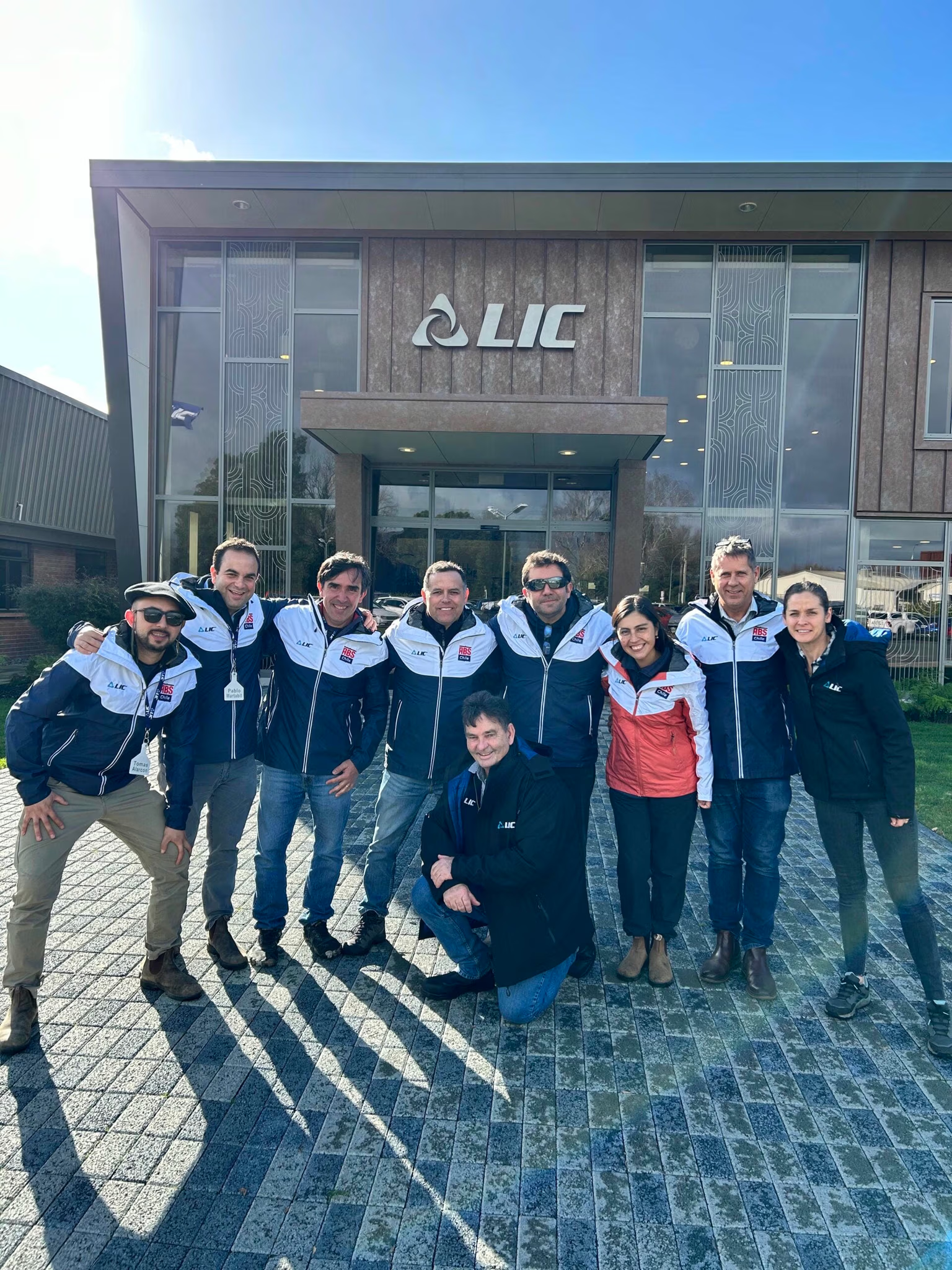
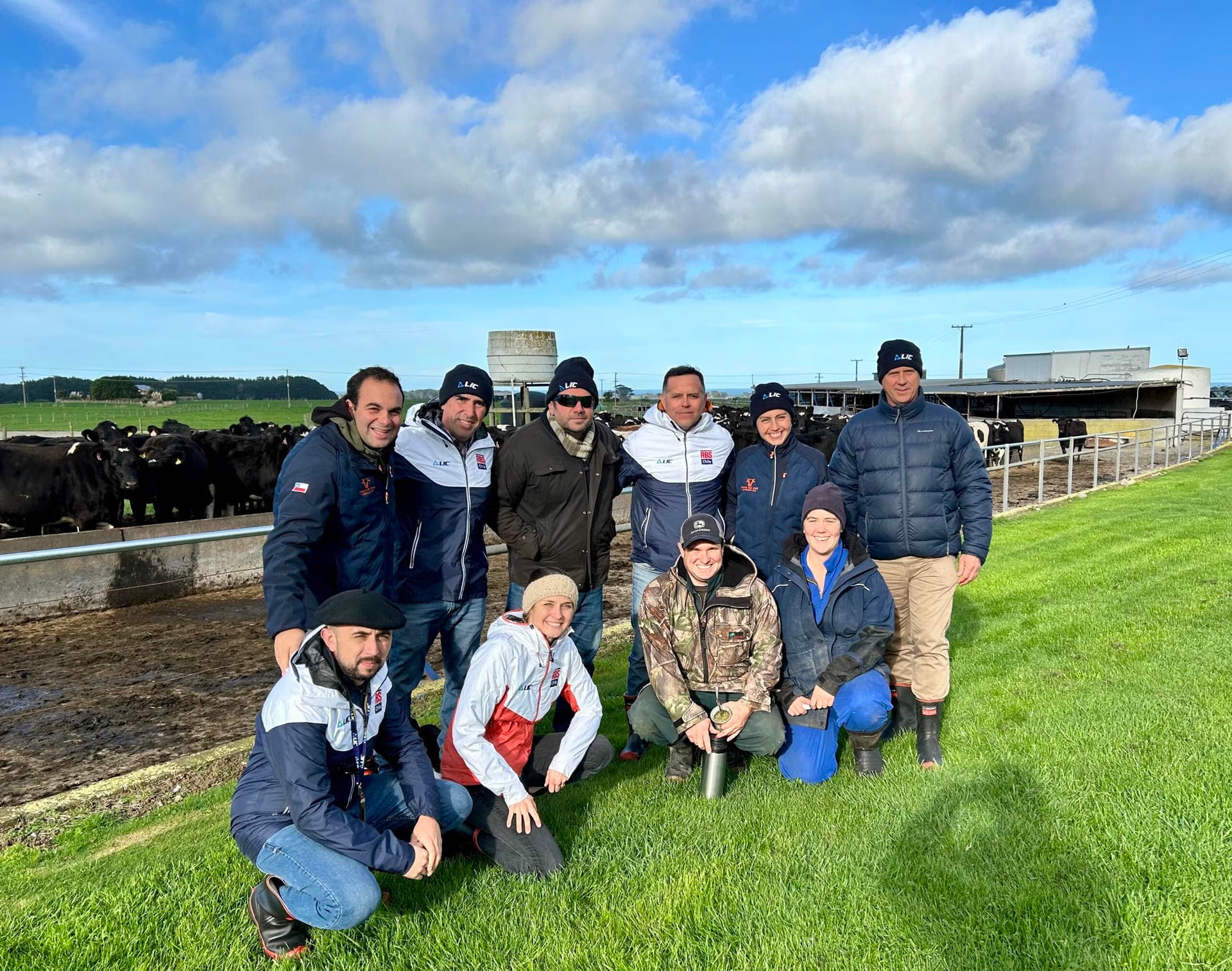
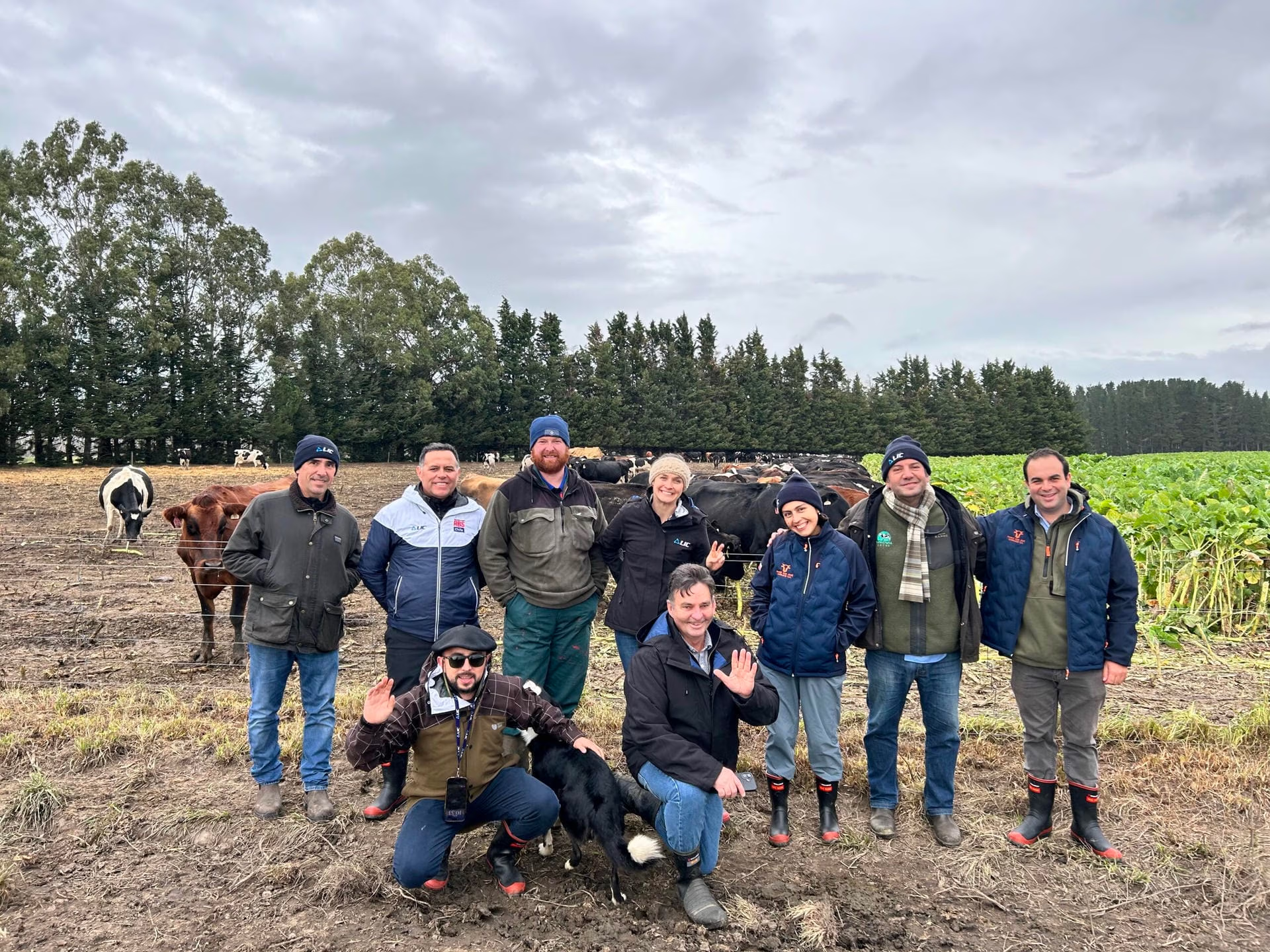
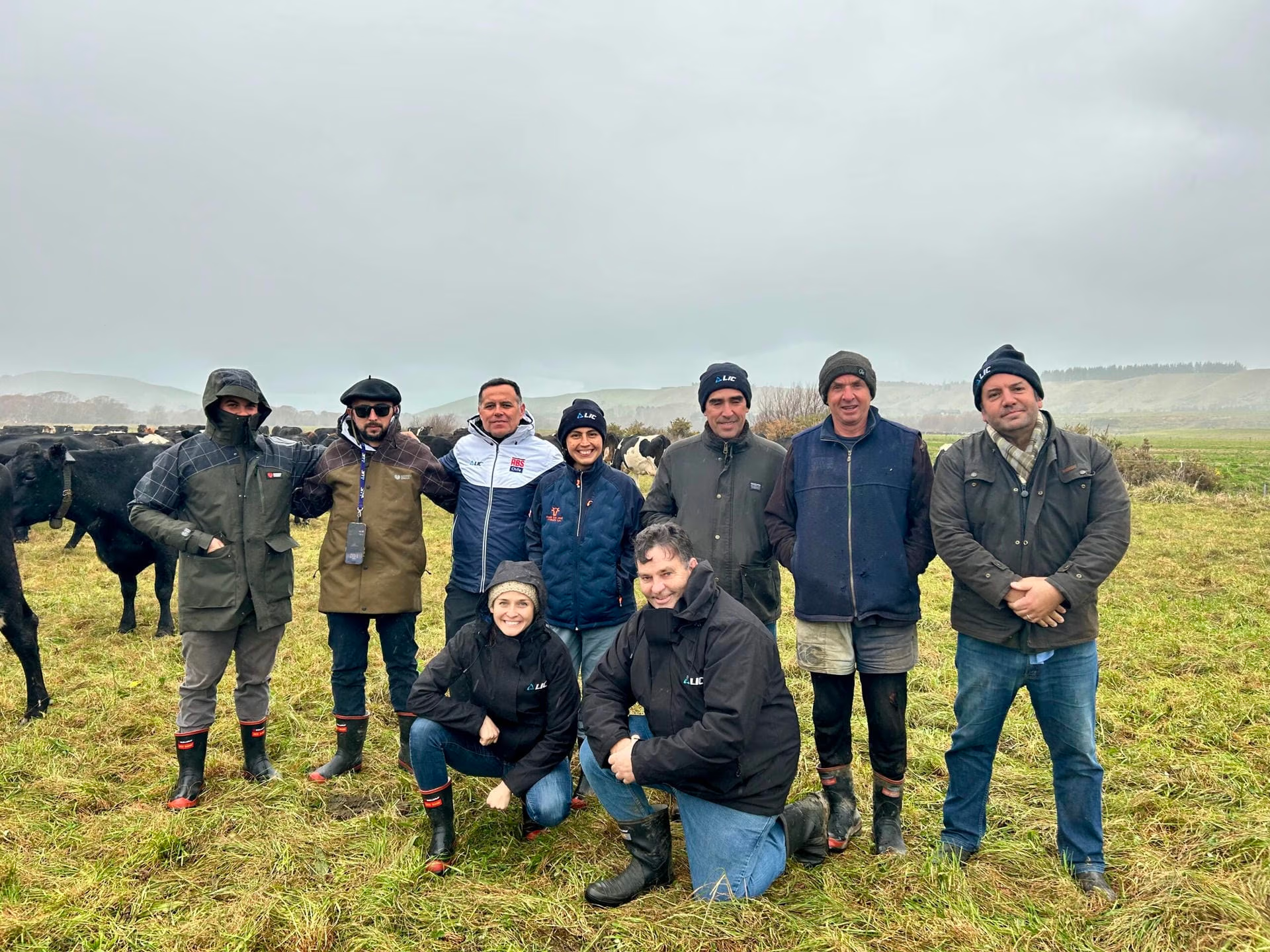
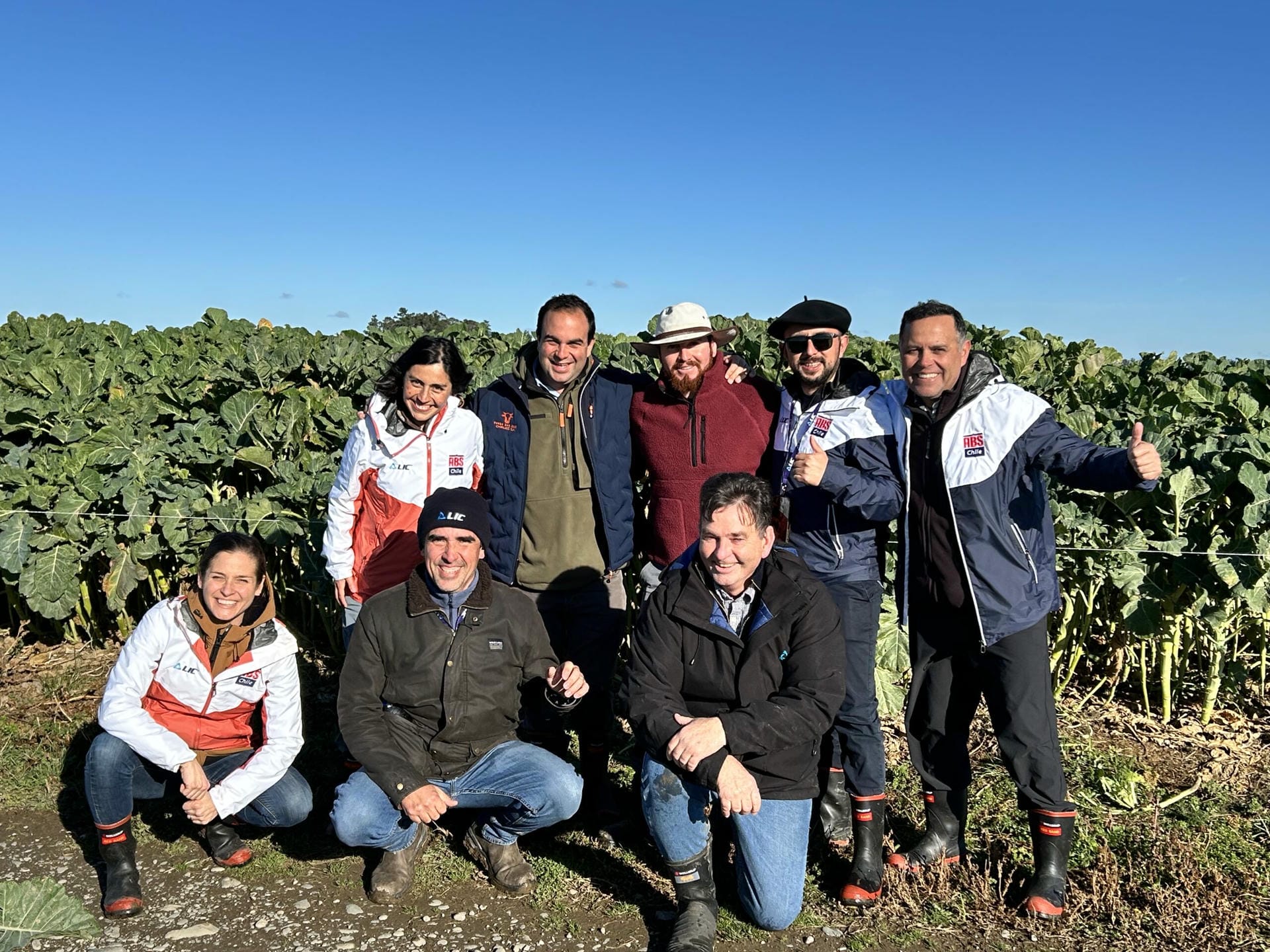
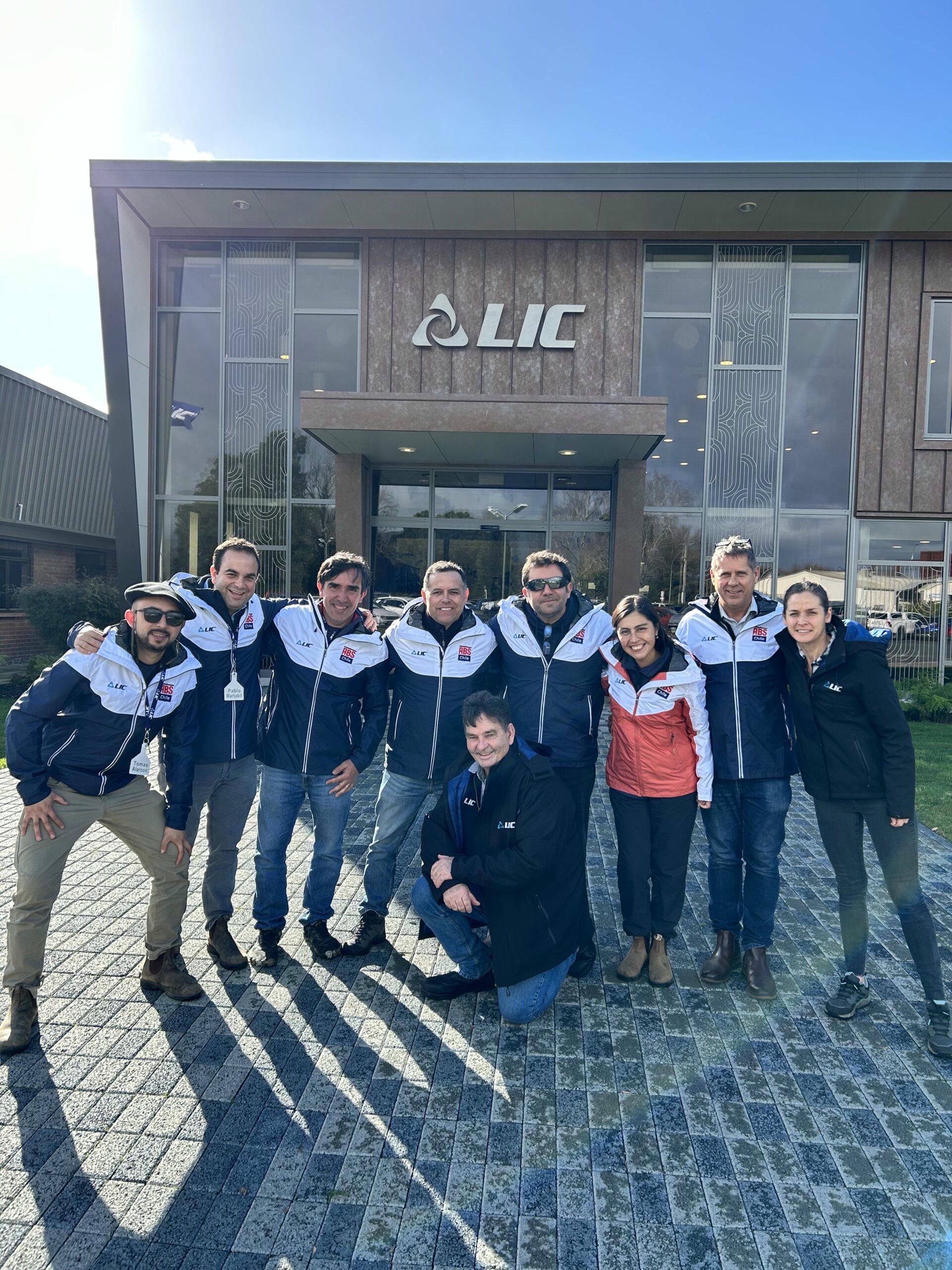
In June, LIC welcomed a group of Chilean farmers to New Zealand for a 10-day technical tour exploring the people, systems and ideas shaping the country’s pasture-based dairy industry.
Hosted by Barry Allison, Manager Distributor Markets at LIC and Mike Waite, District Manager for LIC Australia, and accompanied by Carolina Fiebig, Sales Supervisor at ABS Chile, the tour gave participants first-hand insight into farm systems, genetics, environmental management and labour-efficient technologies that could be adapted back home.
Chile’s dairy industry shares strong similarities with New Zealand’s pasture-driven model, particularly in southern milk-producing regions where pasture, grass silage and forage underpin herd performance. With ABS Chile as its distributor, LIC International connects Chilean farmers with New Zealand pasture-based genetics used across a wide range of farming systems, from large corporate herds to smaller family operations.
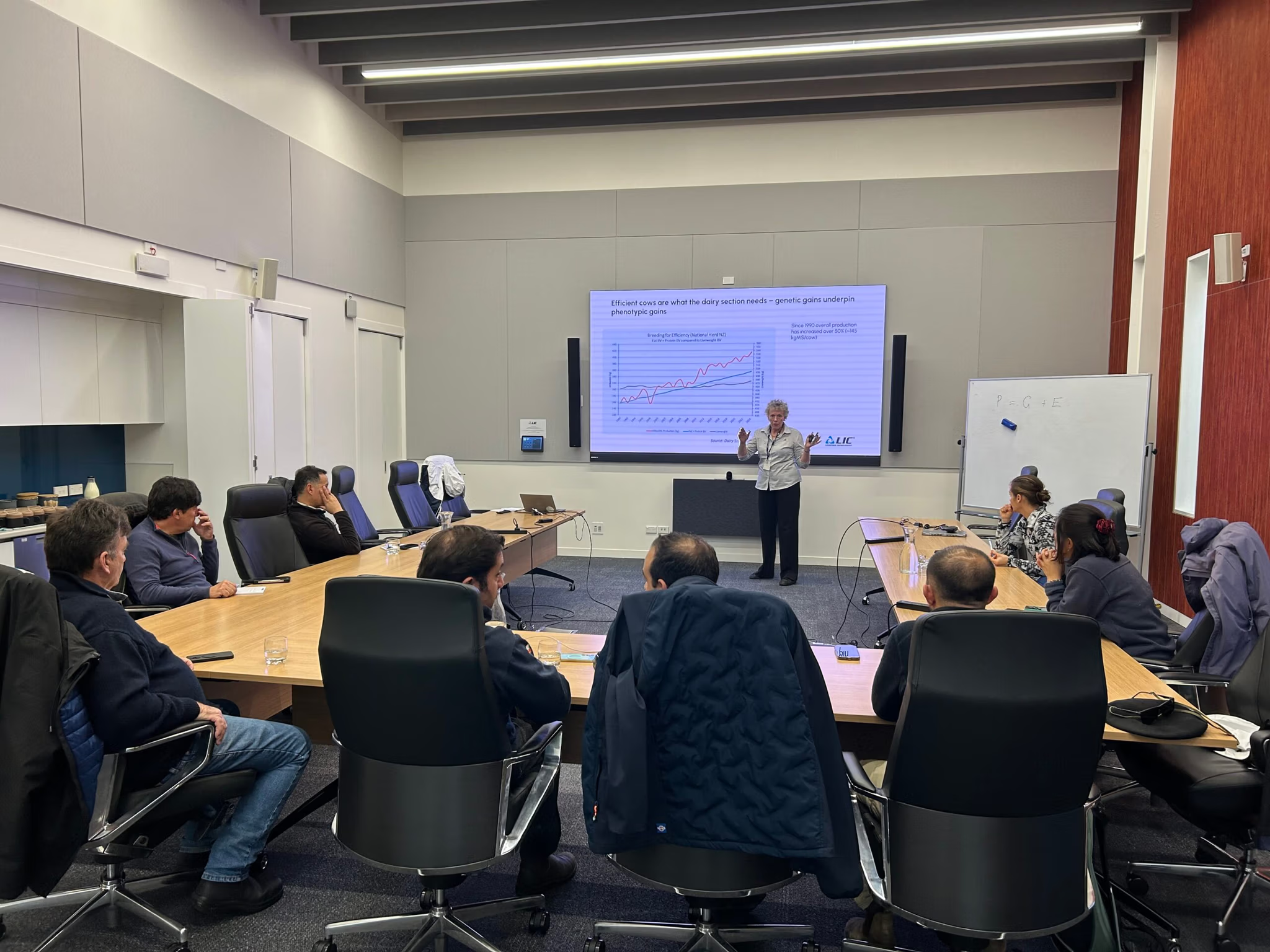
Beginning at LIC’s headquarters based at Newstead in Hamilton, the group received an overview of LIC’s breeding scheme and took part in discussions covering reproductive strategies, New Zealand farm systems and the current state of the dairy sector. Across the tour, common themes quickly emerged: matching farming systems to the environment, using technology where it adds value, building resilient labour structures, and keeping a strong focus on genetics, pasture and profitability.
North Island farm systems
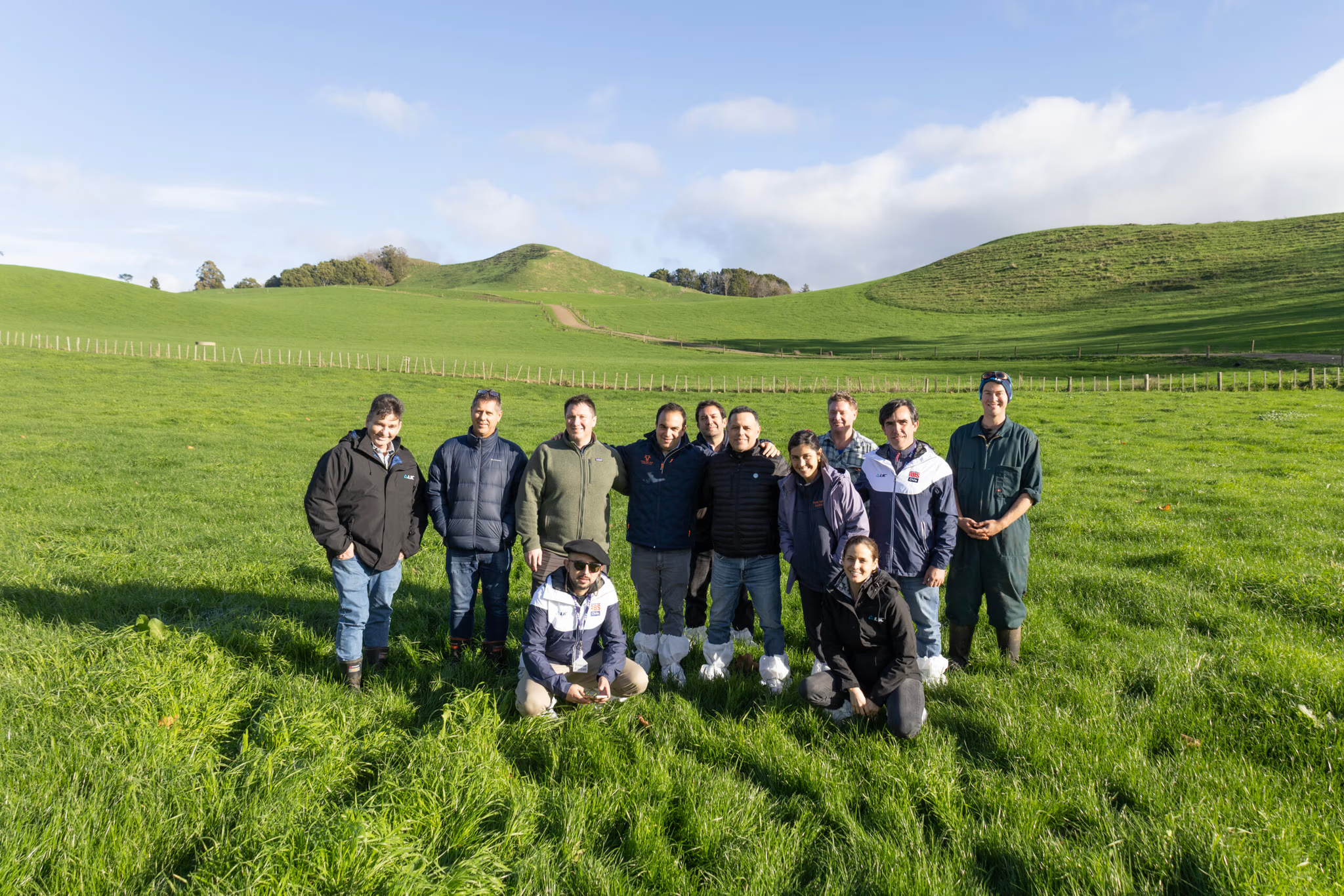
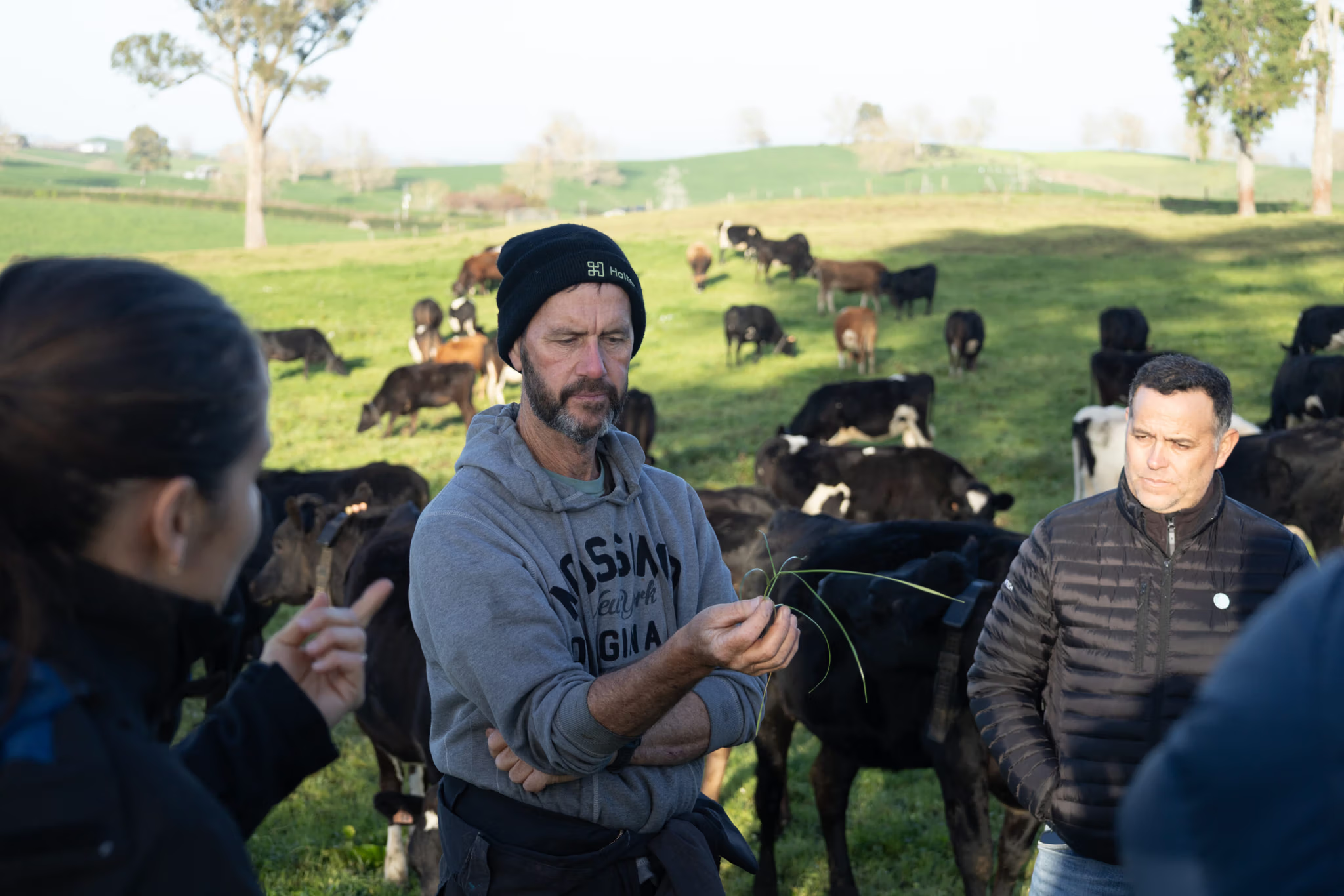
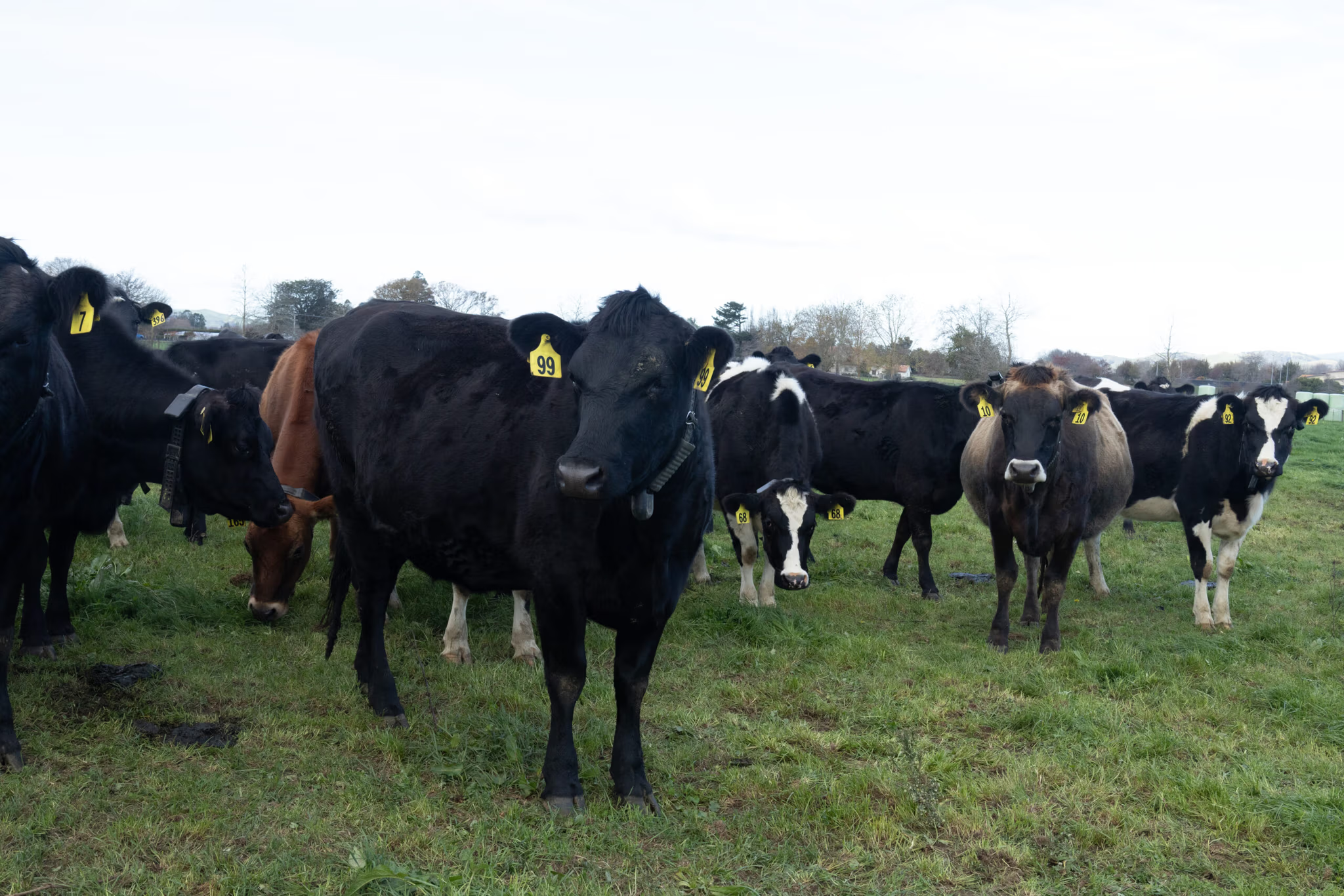
The first on-farm visit was to Bryce Anderton’s Holstein Friesian operation in Tirau, Waikato, where the group saw a strong low-cost production philosophy focused on profitability rather than simply production volume. Bryce runs around 700 cows with just four staff and has invested in practical technology, including a new feedpad and automated yard washing system, to support a streamlined, labour-efficient operation. The visit also prompted valuable discussion around succession planning, with Bryce’s sons involved in the business and working towards future farm ownership.
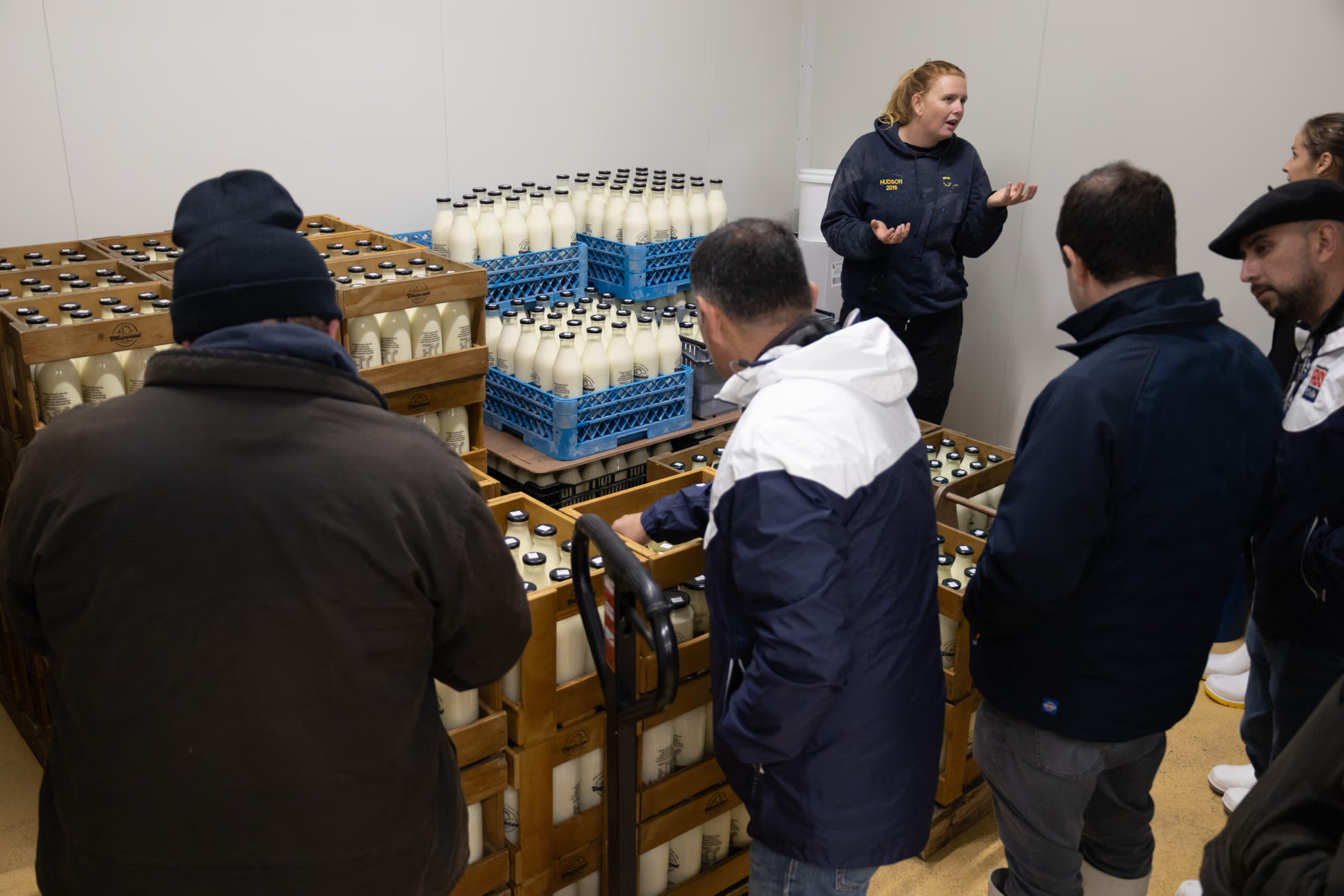
For a different perspective, the group visited award-winning Dreamview Creamery near Raglan, where the Hill family milks 160 Holstein Friesian cows and produces premium milk, cream, yoghurt and whey sold directly to customers in reusable glass bottles and jars. One Chilean farmer, who manages a 500-cow irrigated operation near Santiago, was particularly interested in how the family had built its own brand and created a successful value-added business.
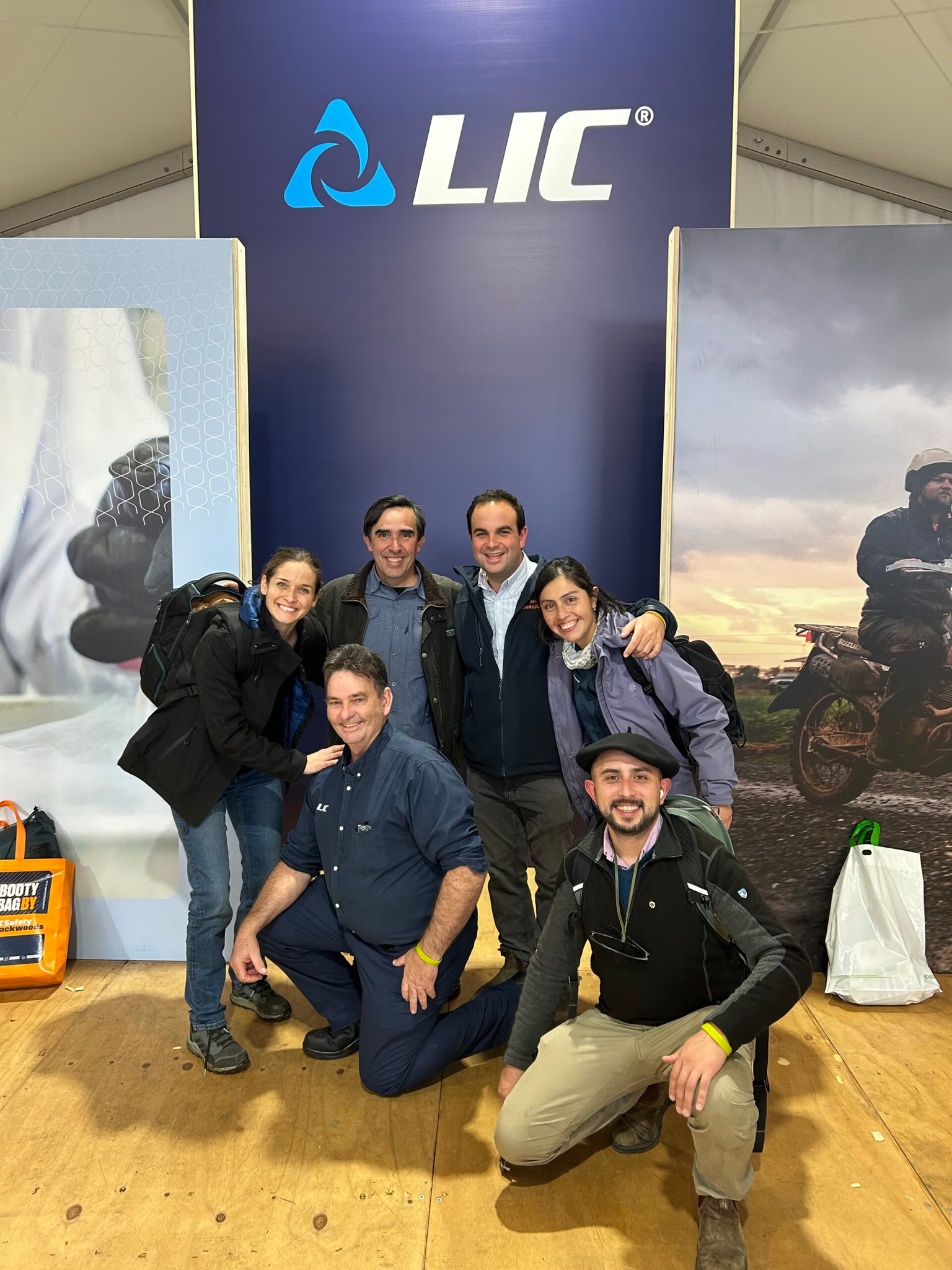
Owl Farm, the demonstration dairy farm at St Peter’s School near Cambridge, showed how research can be applied at commercial scale. Farm Manager Jo Sheridan explained how decisions are guided by a KPI wheel covering production, animal welfare, environmental impact, financial performance, workplace wellbeing and community outcomes. The herd sits in the top 5% nationally for Breeding Worth, with sexed semen and data-driven breeding used to produce high-quality replacements and maximise calf value.
The group also visited the 58th National Fieldays® at Mystery Creek, experiencing the scale of New Zealand agriculture first-hand. With more than 132,000 visitors across four days, the event offered a broad view of innovation across agricultural technology, sustainability and farm business.
“It really is a family affair, it’s not just about finding solutions. People come with their families and make a day of it, so it was a must-see for our Chilean farmers,” says Carolina.
King Country: scale, genetics and shared language
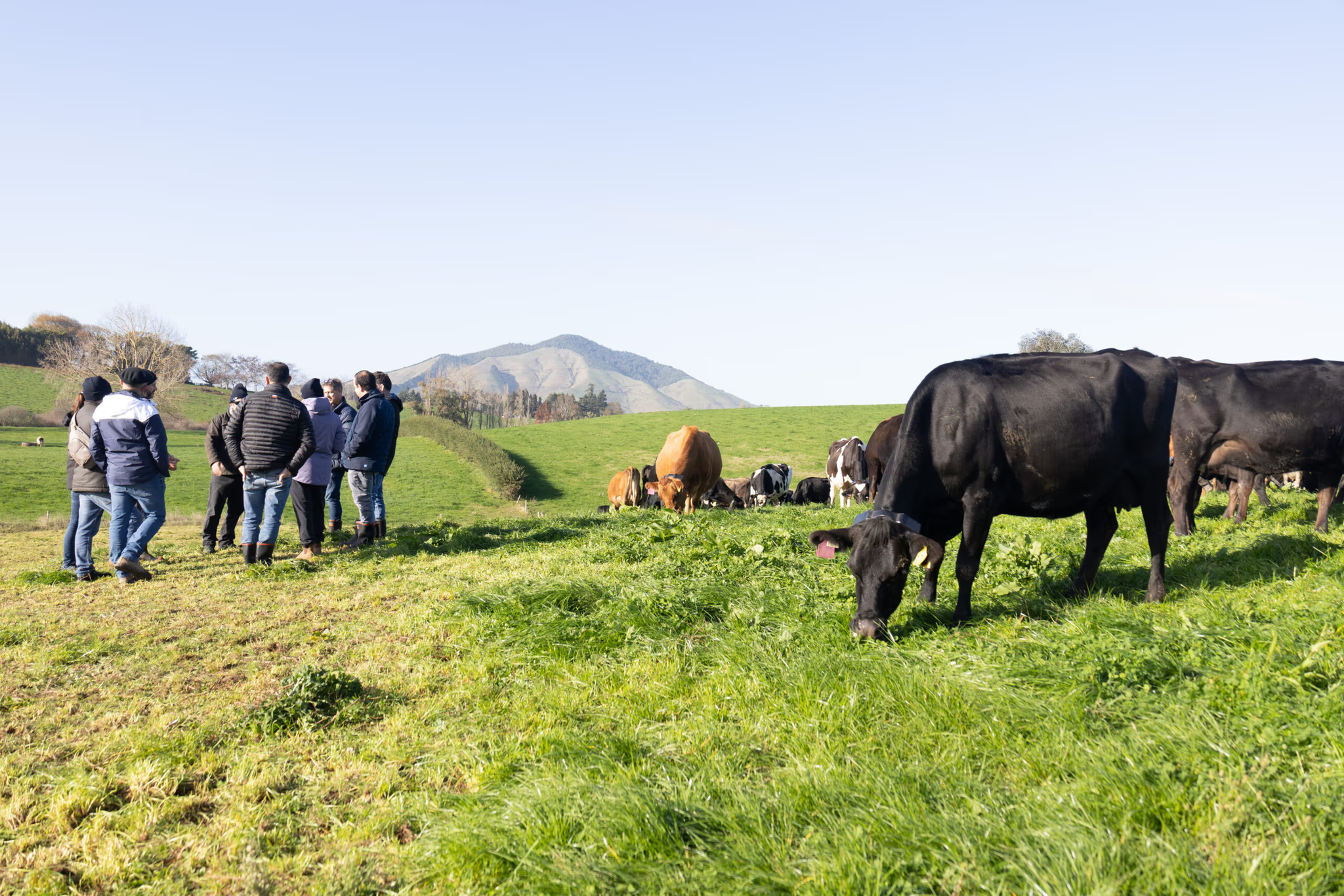
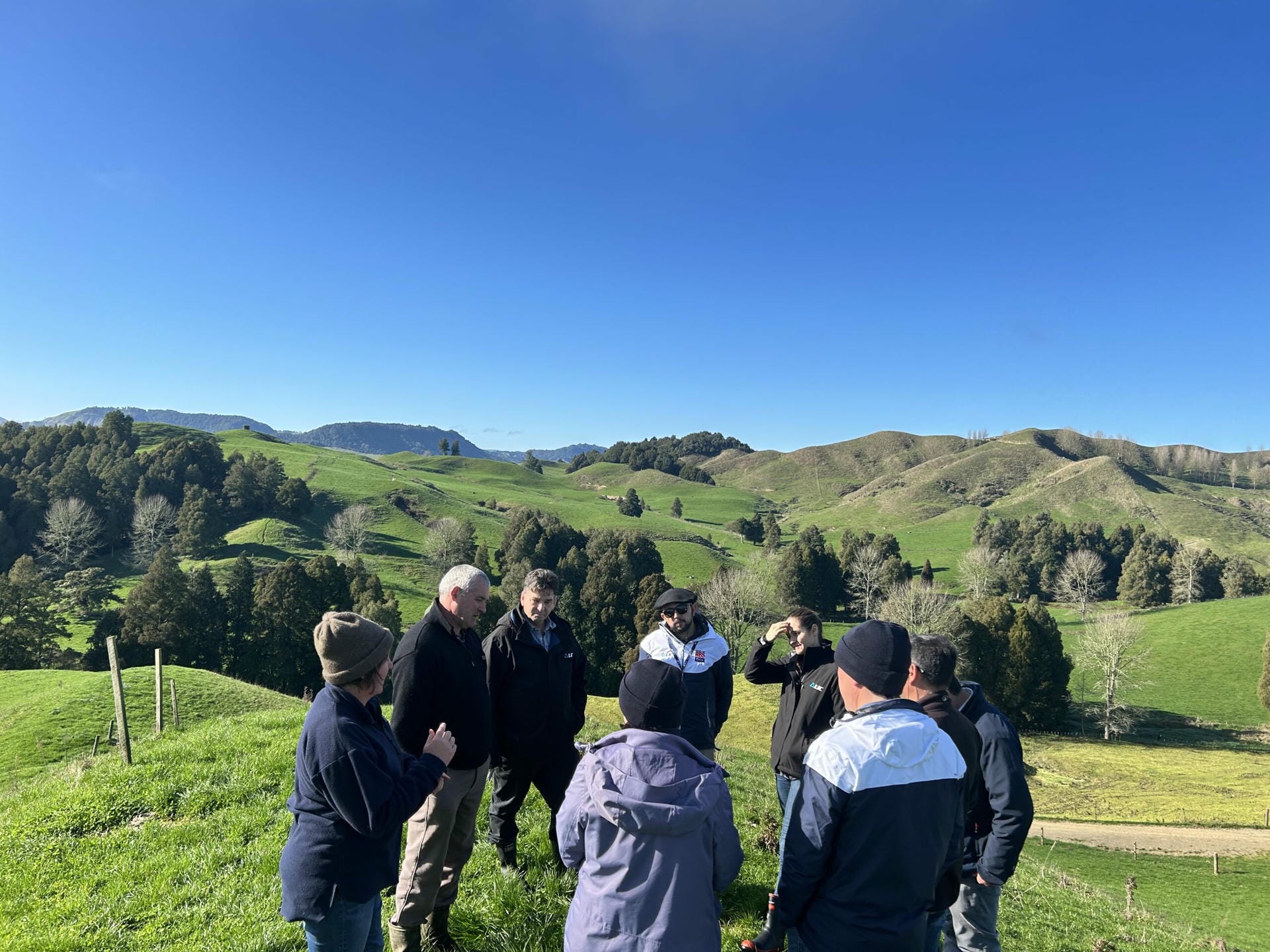
On the way to Taranaki, the group visited Matthew and Emma Darke’s Rockland Farms in Aria, where 1,300 Jersey cows are milked once a day across 500 hectares of rugged hill country. With cows grazing slopes of up to 45 degrees and walking as far as 4.5km to some paddocks, the system has been built around cow welfare, labour efficiency and the demands of steep terrain.
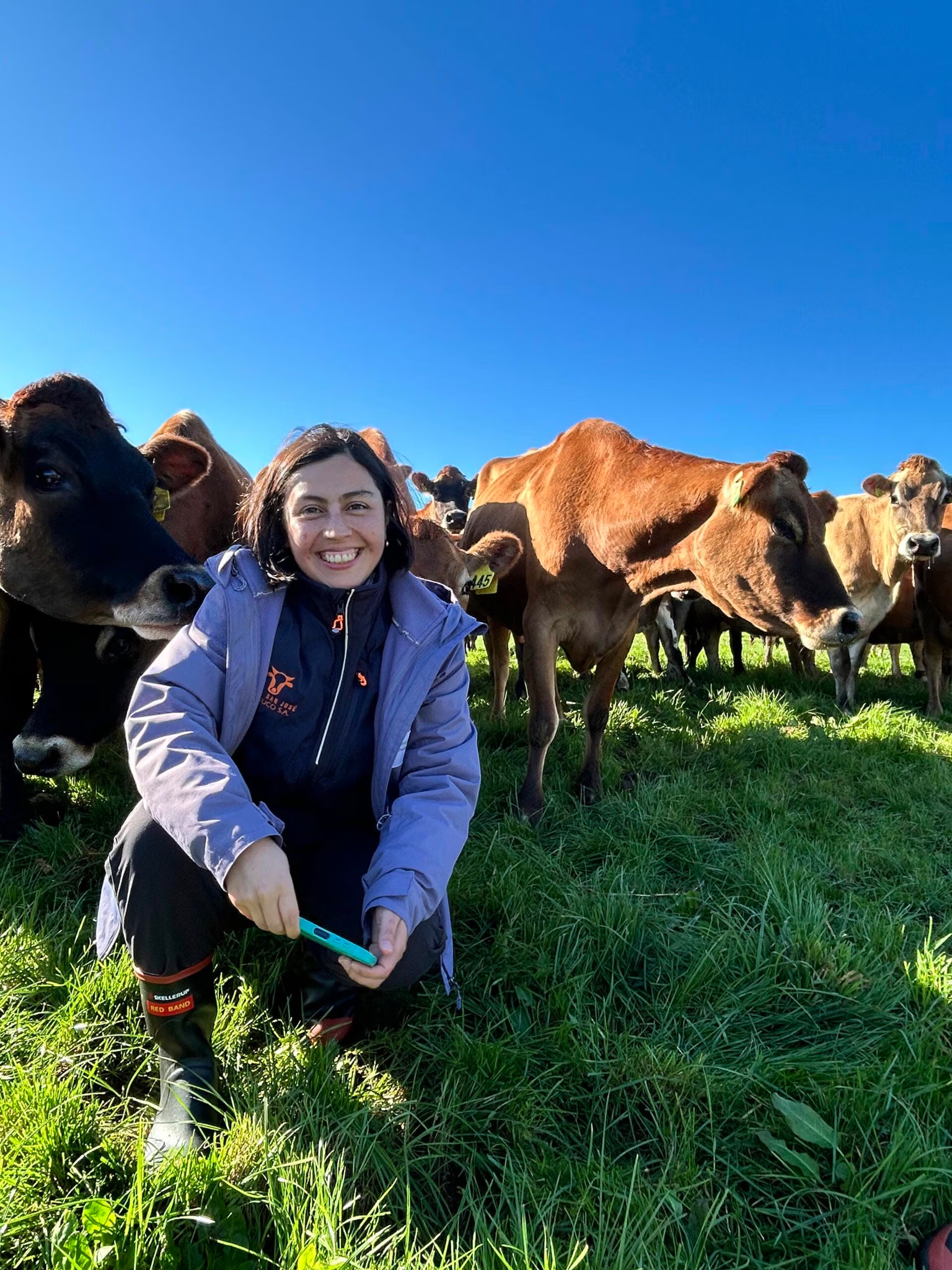
The visit also gave the group a first-hand look at the home of Rockland LQ Berkly, a standout Jersey sire widely used in Chile. During the visit, Barry presented the Darkes with the International Sire of the Year – Jersey award, recognising Berkly as the highest-selling exported Jersey bull for the 2025/26 season.
“It’s a good example of how you can farm anywhere – you just have to adapt. We are big Berkly users in Chile so it was an honour to see where he comes from,” says Carolina.
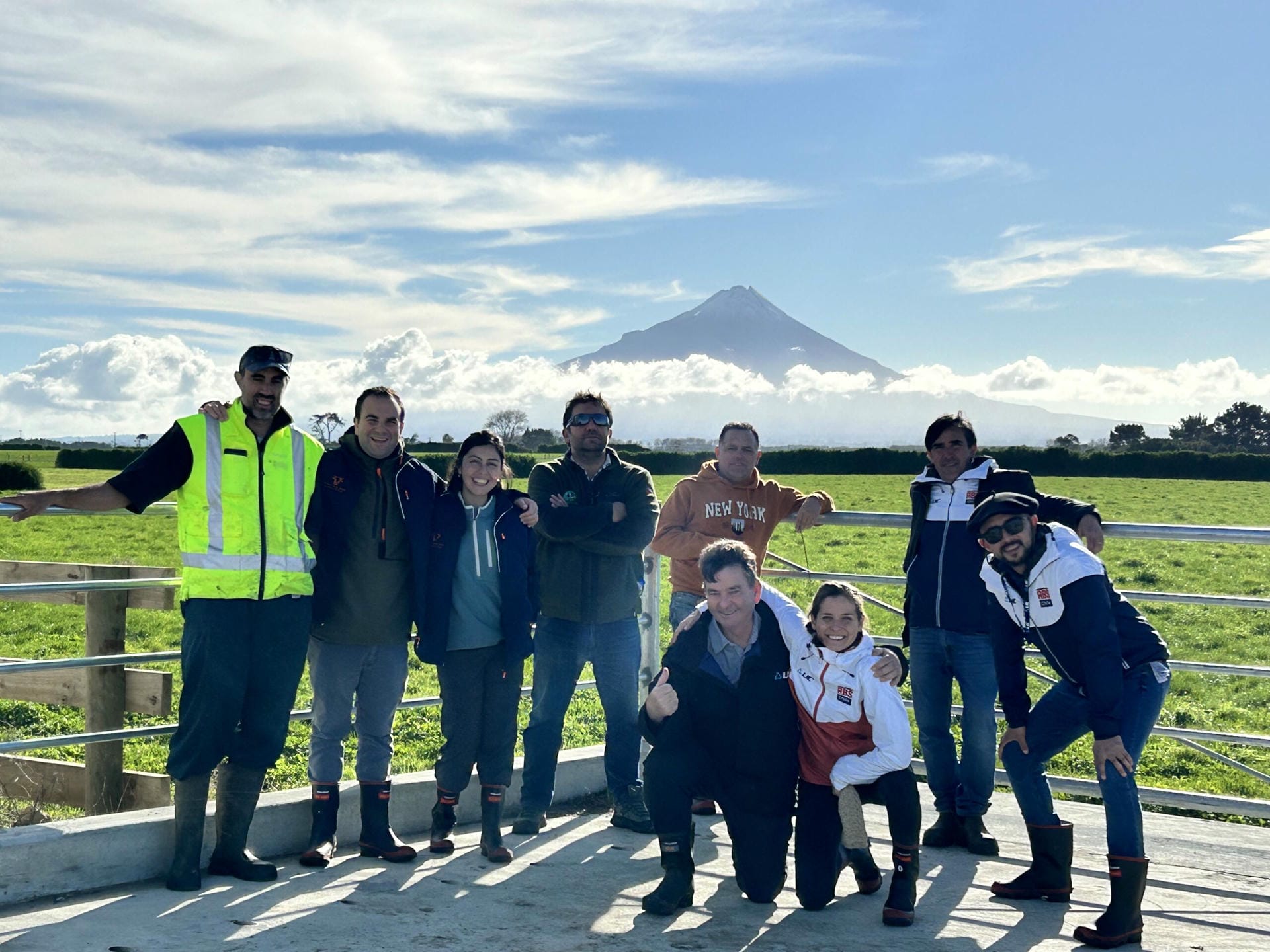
At Fresh Milk NZ near Hāwera, herd manager Juan Ortiz, originally from Uruguay, shared insights into an intensive System 5 operation milking more than 1,700 cows at peak across two farms. The system combines high levels of feed supplementation with split calving and strong young stock management, achieving around 570 kgMS per cow per year. Barry says the farm highlighted the value of investing early in calf health, nutrition and growth to maximise lifetime productivity.
Parininihi ki Waitōtara (PKW)’s farm at Matapu offered a change of scale. As one of New Zealand’s largest Māori-owned farming enterprises, PKW manages around 15 dairy farms across 2,450 hectares, milking approximately 7,000 cows alongside an extensive support business.
During a visit to Farm 3, one of PKW’s dairy operations, the Chilean visitors valued the opportunity to speak with Gabriel Churi, a PKW contract manager originally from Uruguay. His shared language and farming background helped create an open discussion about herd management, reproduction, infrastructure and effluent systems.
South Island systems and environmental management
In Canterbury, the group visited Adrian Young’s 50/50 sharemilking operation in Spotswood, milking around 550 crossbred cows with plans to expand. After previously leading LIC’s KiwiCross® bull breeding programme, Adrian openly shared his approach to genetics, herd management and business planning. His use of frozen sexed semen twice daily was of particular interest because of its similarities with breeding systems used in Chile.
At a North Canterbury hill-country farm, Nick Ensor showed how collar-based virtual fencing is helping improve pasture use and young stock performance across steep terrain. The 620-cow crossbred herd operates within a ‘10 in 7’ variable milking system designed to improve staff lifestyle, while still averaging around 460 kgMS per cow per year. Nick emphasised that technology must be supported by strong stockmanship and regular on-farm monitoring.
Barry noted the value of seeing a Chilean farmer succeeding in New Zealand, while achieving production of around 600 kgMS per cow per year.
Tom and Leanne Heneghan’s Ashburton farm offered a different perspective on profitability. After moving to New Zealand from England with no dairy background, Tom has grown the business to around 2,000 cows and built multiple revenue streams through strategic breeding, sexed semen, natural mating bull sales and beef finishing.
“What stood out to me was how Tom looked for opportunities beyond milk production and found value in every part of the business,” Carolina says.
The final farm visit was to Back Track Dairies in mid-Canterbury, where Jeremy Casey shared how he progressed from farm cadet and sharemilker to sole owner of a 1,800-head operation. His philosophy centres on strong pasture, healthy soils and practical stockmanship rather than heavy reliance on technology. The visit prompted discussion on nitrate management, reduced nitrogen inputs, pasture-based wintering and recycled effluent water for yard cleaning.
A visit to LIC’s South Island Herd Testing Centre in Christchurch gave the group a behind-the-scenes look at the science supporting on-farm decision-making. The facility analyses more than 4.8 million milk samples each year, testing for key indicators such as milk volume, fat, protein and somatic cell count. Although it was the dry season, Sarah Lines, LIC’s Sample Processing Manager, set up a demonstration run to show the testing process in action.
Reflecting on the tour, Carolina noted the openness of New Zealand farmers was one of the strongest takeaways. From production figures and breeding decisions through to environmental challenges and business planning, hosts were willing to share detailed insights into their systems.
Carolina says “They were so open with information, from production and breeding decisions through to the financial side of the business. This made the experience incredibly valuable and interesting for the group.”
Feedback from participants suggests the tour achieved exactly what it set out to do: providing first-hand insight into New Zealand’s farm systems, environmental management and labour-efficient technologies, while also building practical connections between Chilean and New Zealand dairy farmers.