 Skip to content
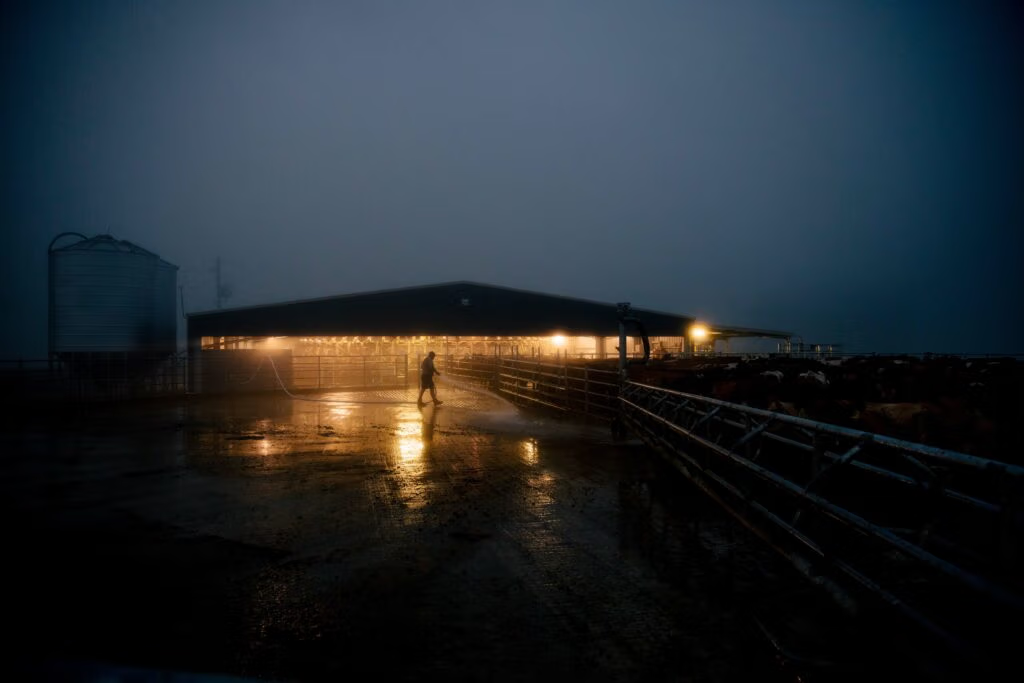
Alternative milking regimes
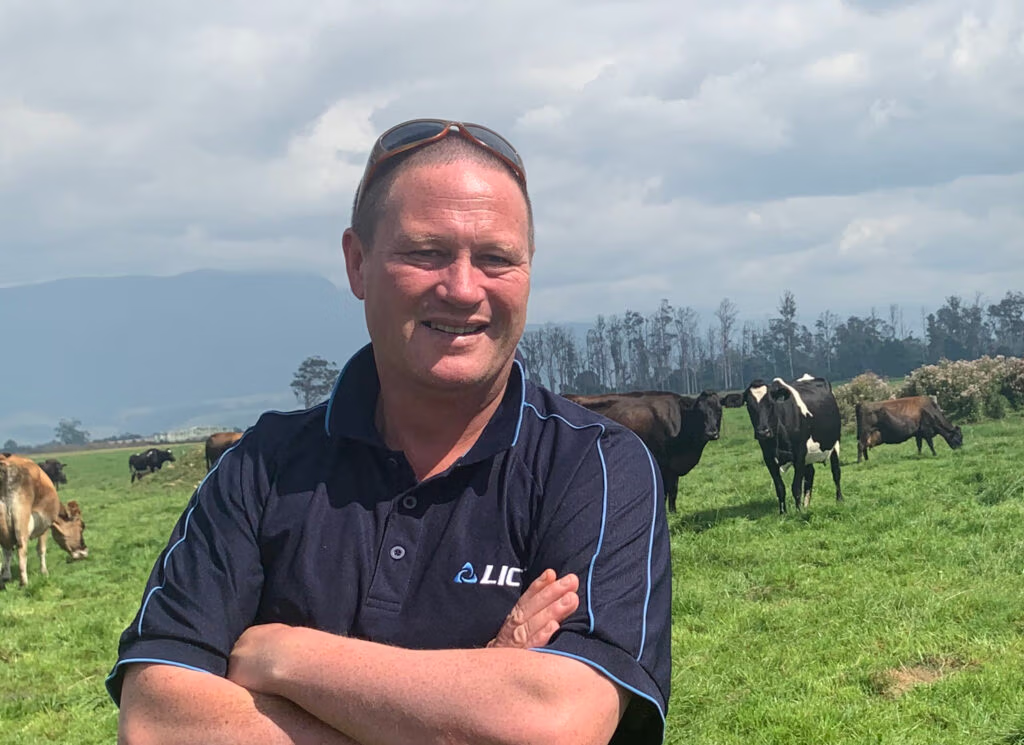
LIC FarmWise consultant Brent Boyce discusses the considerations and benefits of alternative milking regimes, including sleep-ins for farmers!

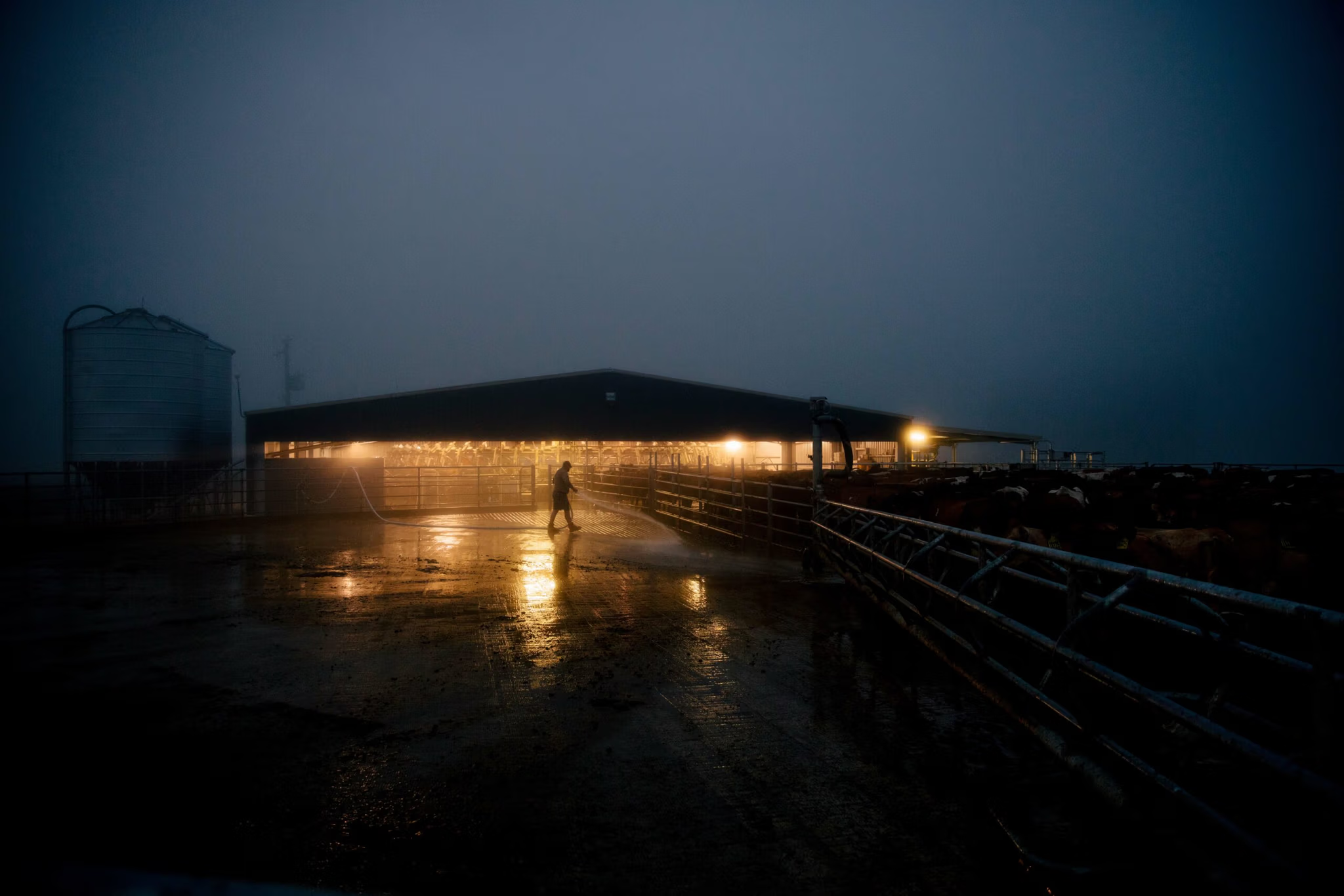
LIC FarmWise consultant Brent Boyce discusses the considerations and benefits of alternative milking regimes, including sleep-ins for farmers!
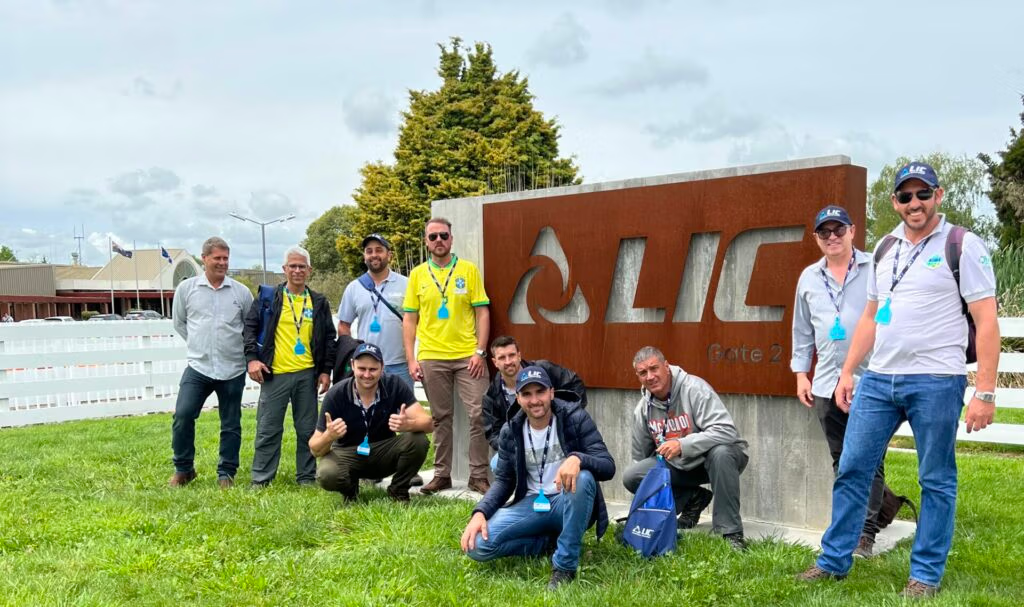
As the borders open up again, LIC has hosted an influx of visitors in New Zealand, to see how LIC produces elite pasture-based genetics and experience New Zealand dairy farming first-hand. The end of 2022 saw a farmer tour group from Australia and one from Brazil, and some of our international staff to New Zealand shores. Here are their stories.
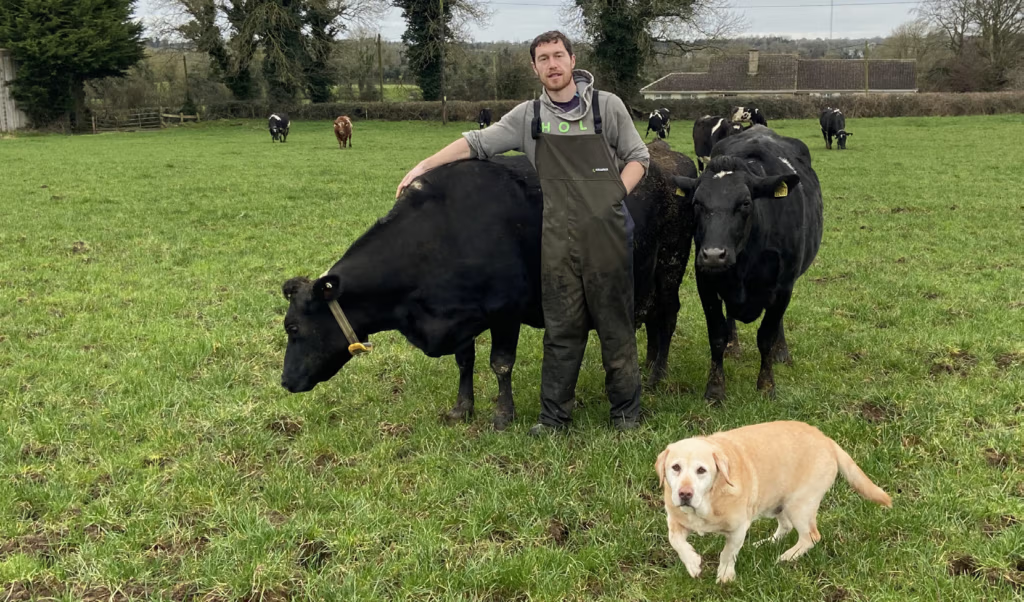
In a bid to improve the profitability, efficiency and fertility of his dairy herd, Padraic Harnan is using more LIC sexed semen than ever this spring, choosing top trait bulls that match up with his breeding animals.
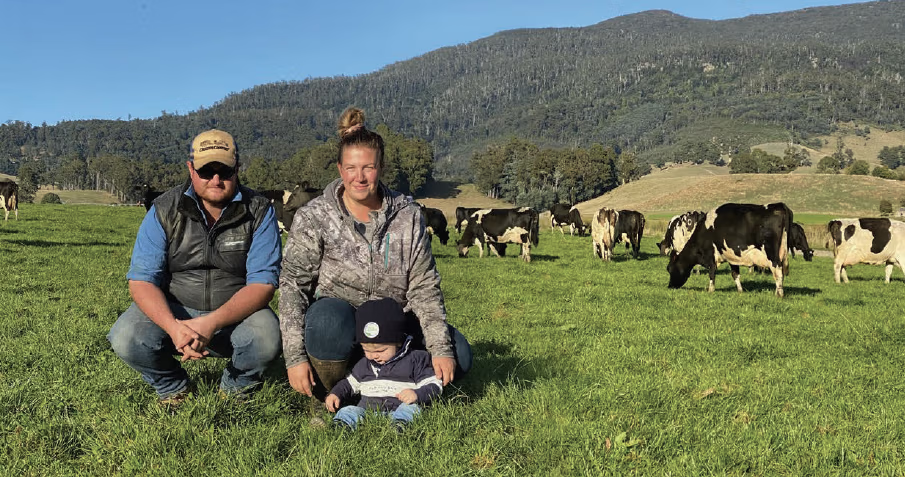
In 2017 Brayden Johnston’s parents bought a farm and employed Bec and Brayden to manage it. The young couple were pleased to discover that their new herd was bred from top-quality LIC genetics. They have spent the past five years since developing the cows and improving the property.
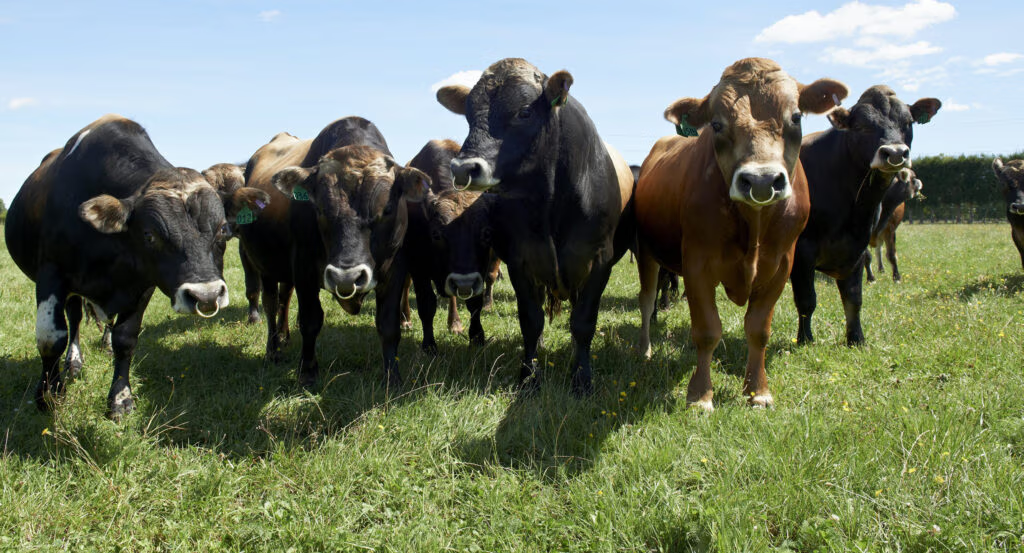
New LIC research reveals a staggering variation in milk production and efficiency between the ‘top-quartile’ and ‘bottom-quartile’ of cows.
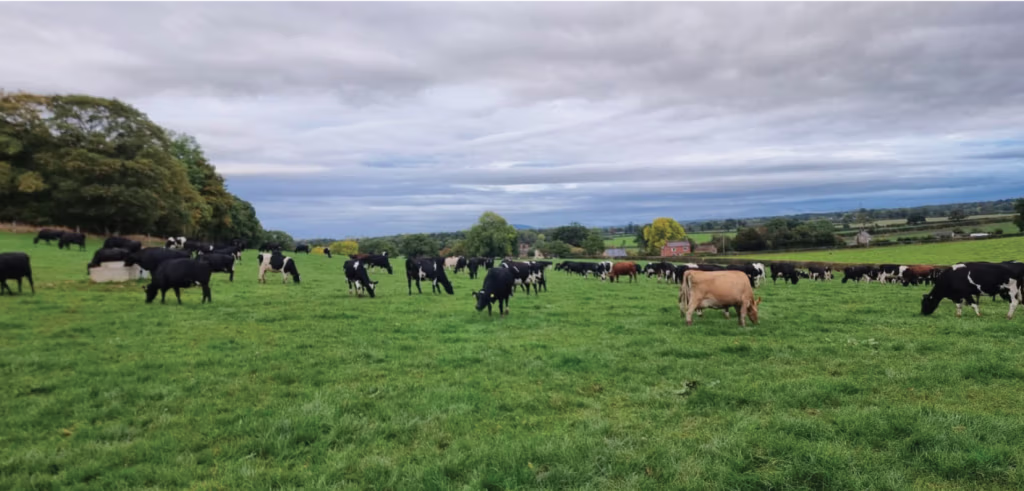
Sansaw Estate dairy farm manager Breiffini Daly puts most of his success down to using top New Zealand AI technicians, quality semen and identifying bulling heats efficiently.
The exclusivity of entry into the Hall of Fame is reserved for only the most exceptional bulls, having met very demanding criteria. What makes this an even prouder moment is that Priests Sierra’s breeder, Rowan Priest, is also an LIC employee.
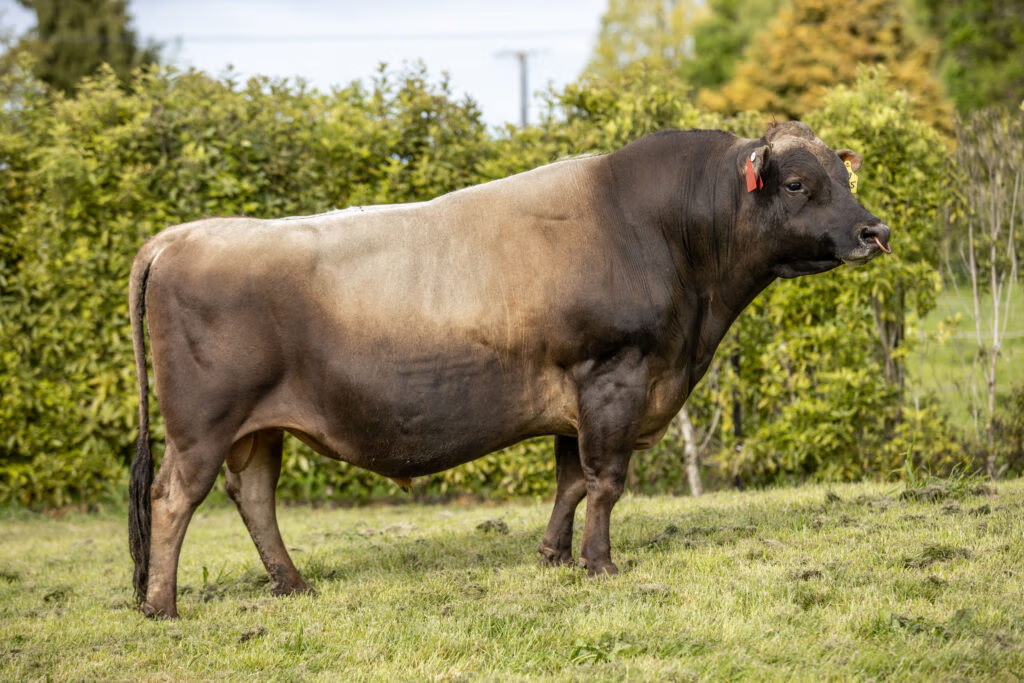
A record number of young bulls have joined LIC’s elite bull teams this spring, with twenty-seven bulls making the cut and ready to help sire the next generation of profitable and efficient dairy cows.
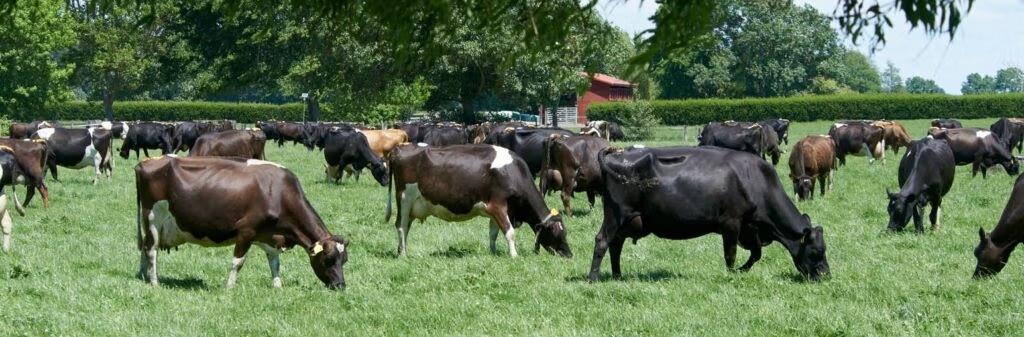
New research has confirmed bulls’ genetics play a role in how much methane they emit, highlighting the potential for farmers to breed low methane-emitting cows in the future.
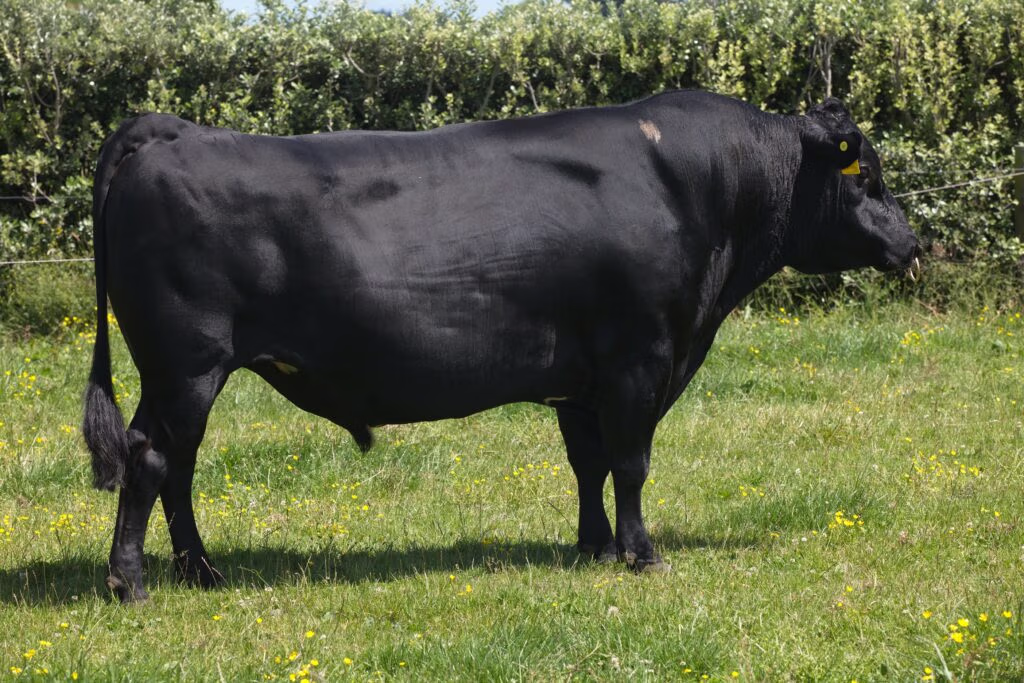
A 12-year-old bull with over 150,000 daughters has been inducted into an elite animal ‘Hall of Fame’ for his outstanding contribution to dairy herd improvement in New Zealand.
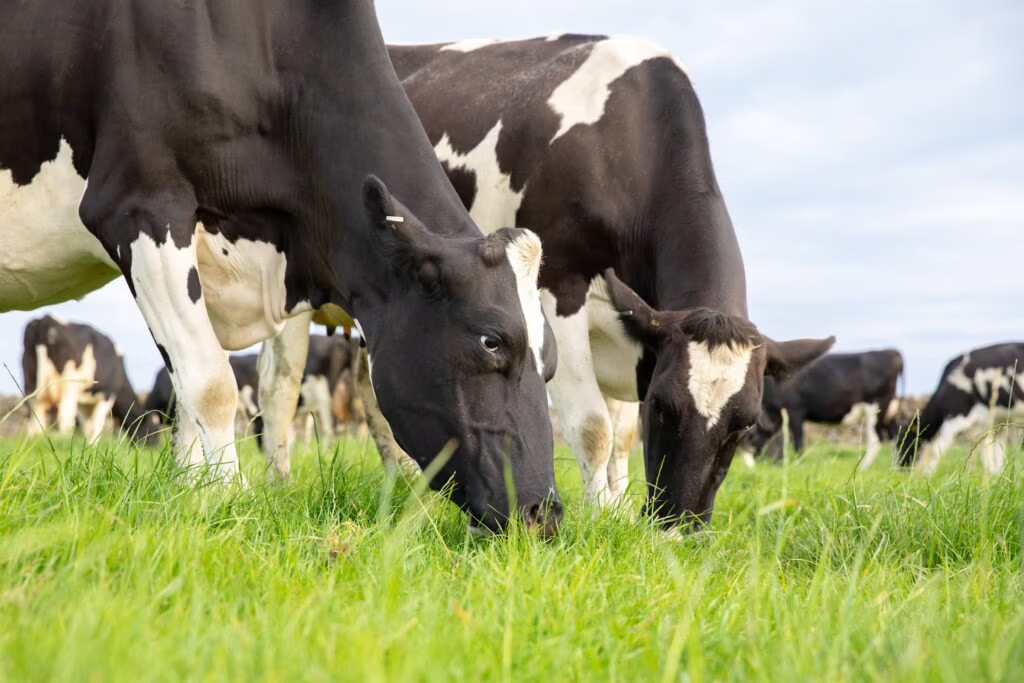
Are you a dairy farmer in France interested in improving the profitability of your farm? This open day will help you apply profitable NZ grazing techniques in a French way.
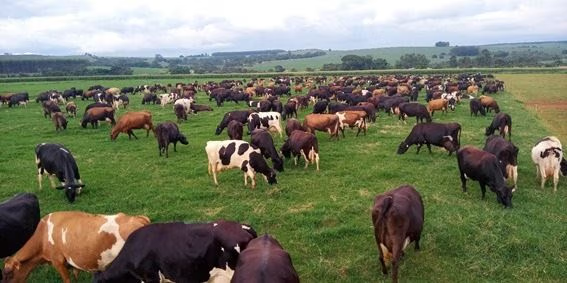
Long-time LIC client the Kiwi Group recently achieved 11th position on the Top100 largest dairy producers in Brazil list in 2022. But their focus is not just on production, with the implementation of many sustainable measures in pasture production.