Skip to content

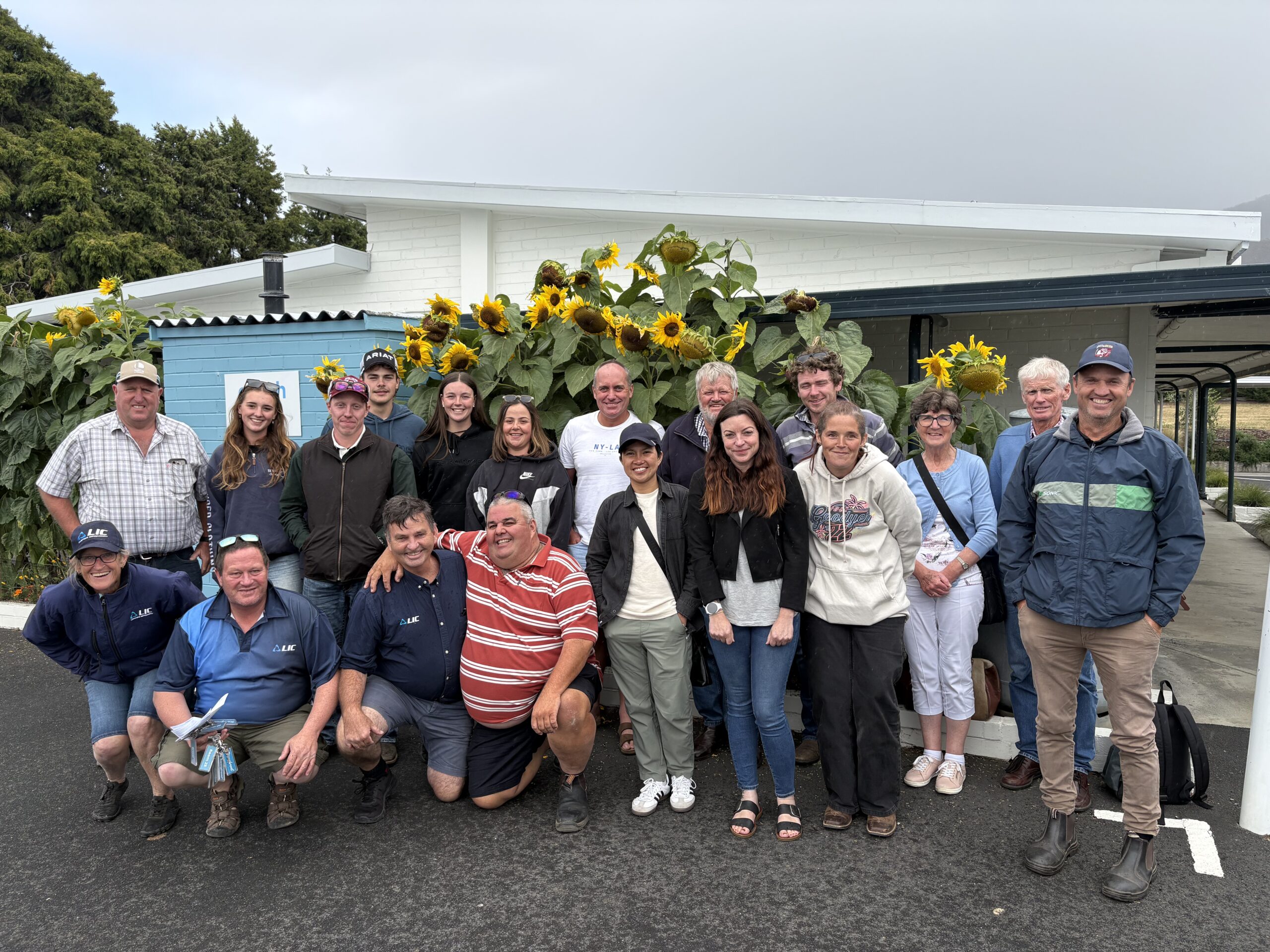
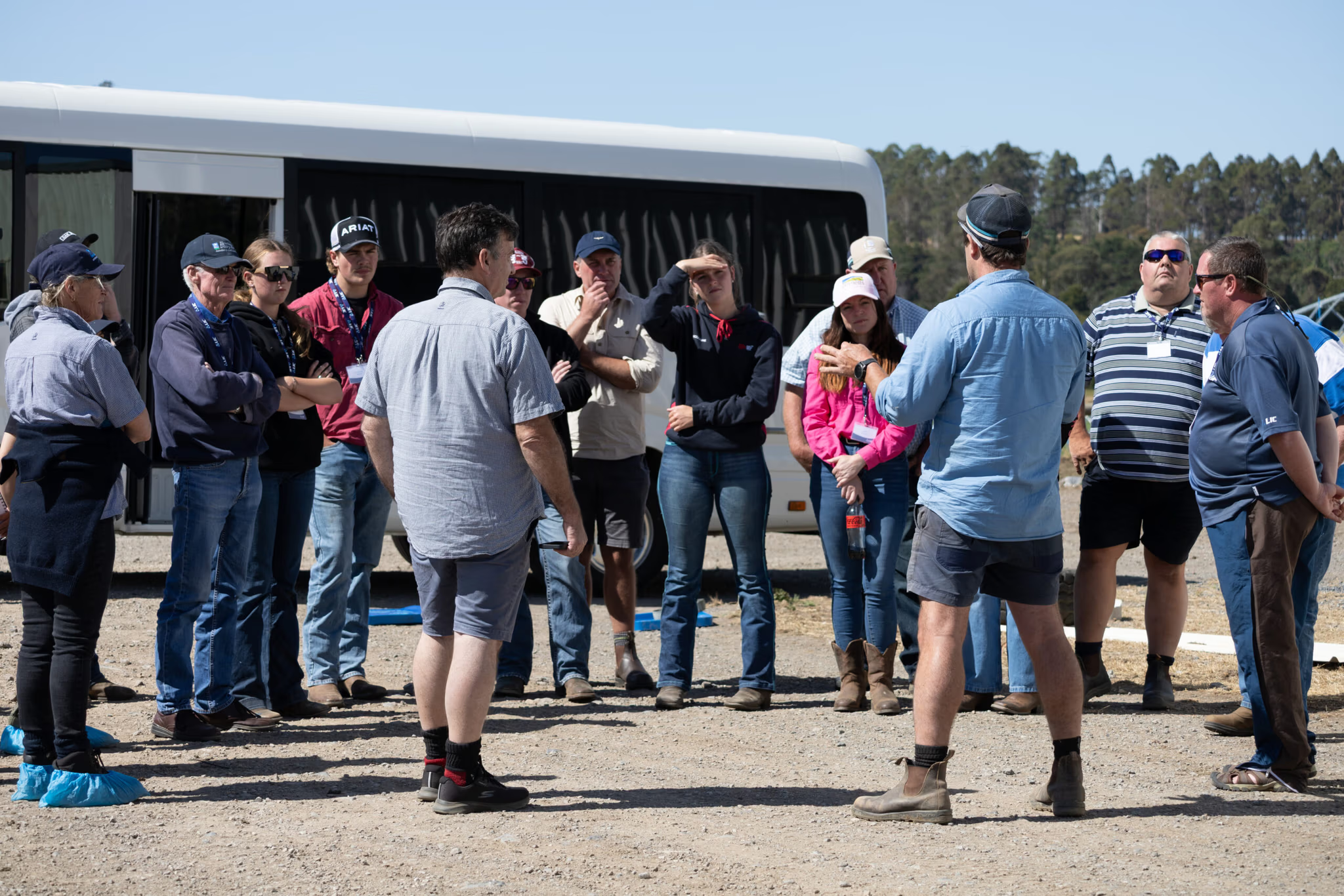
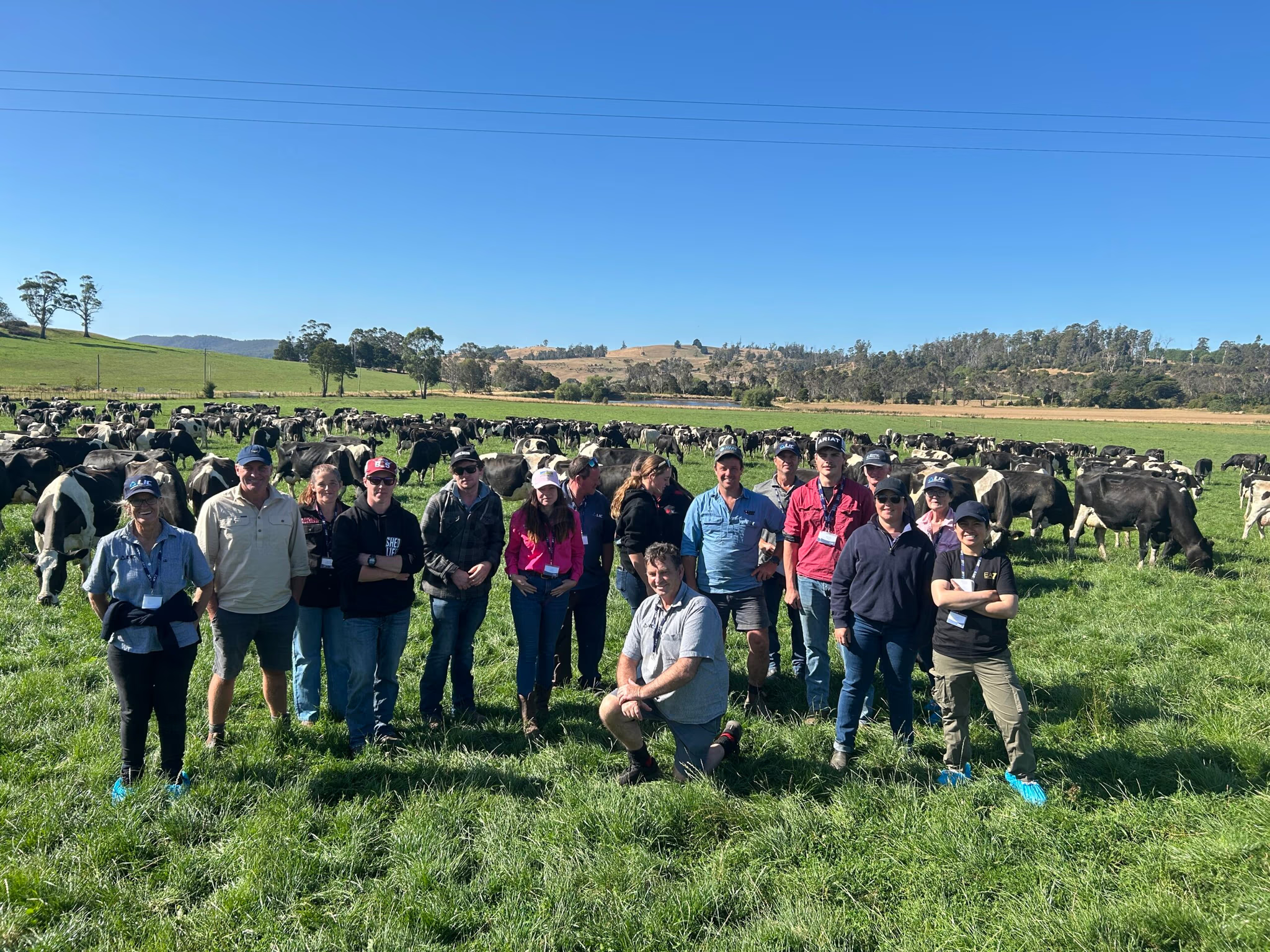
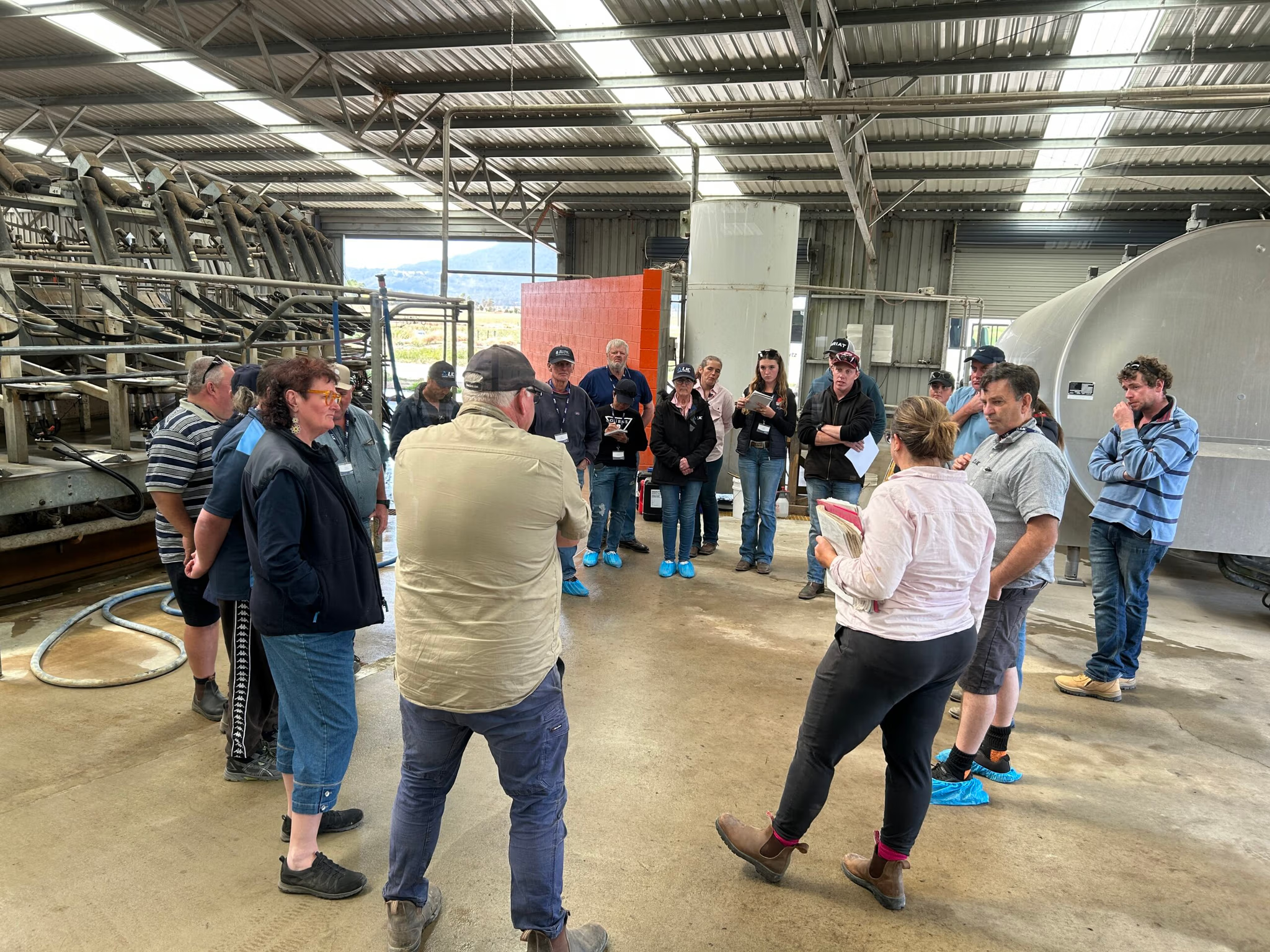
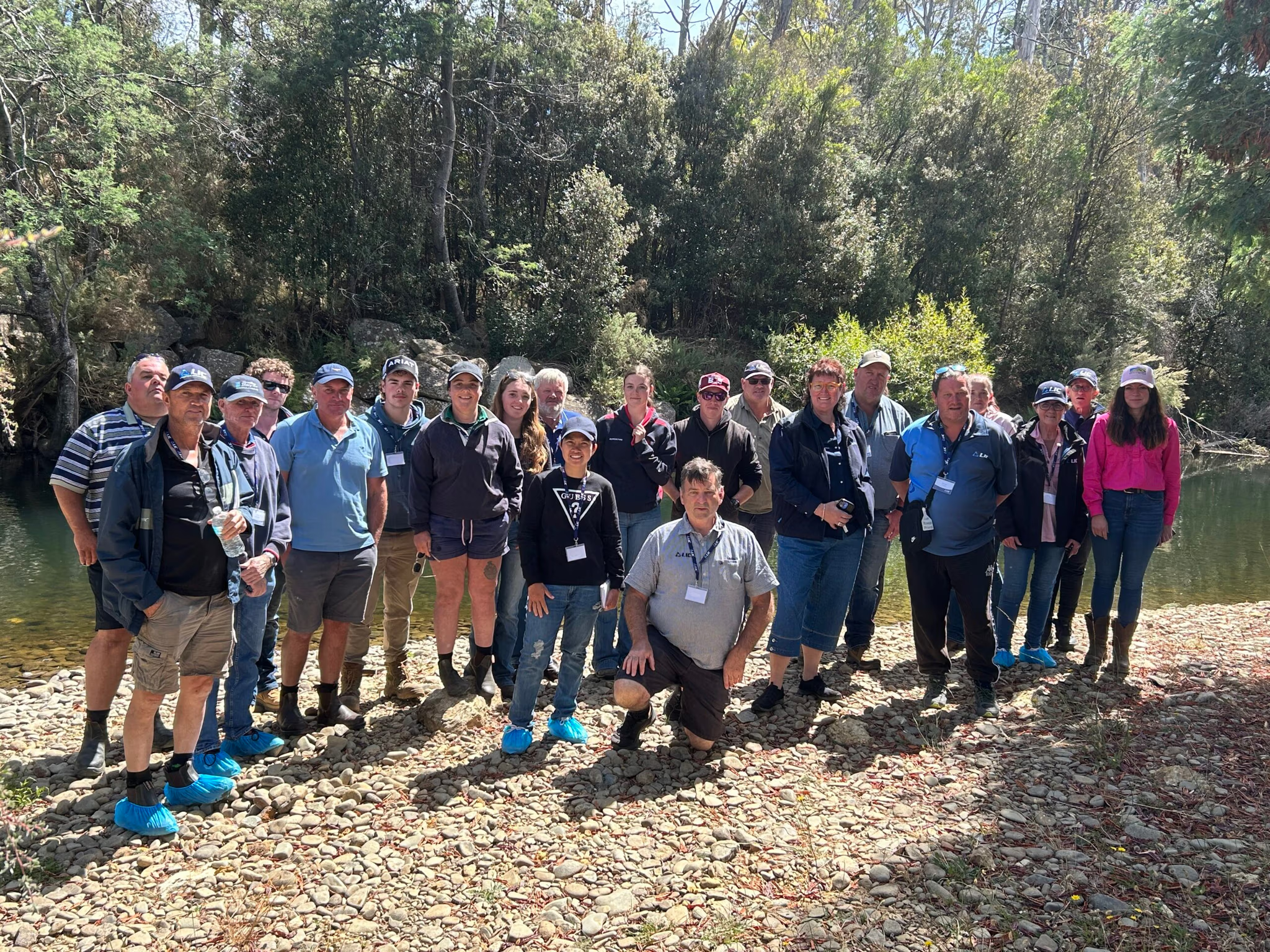
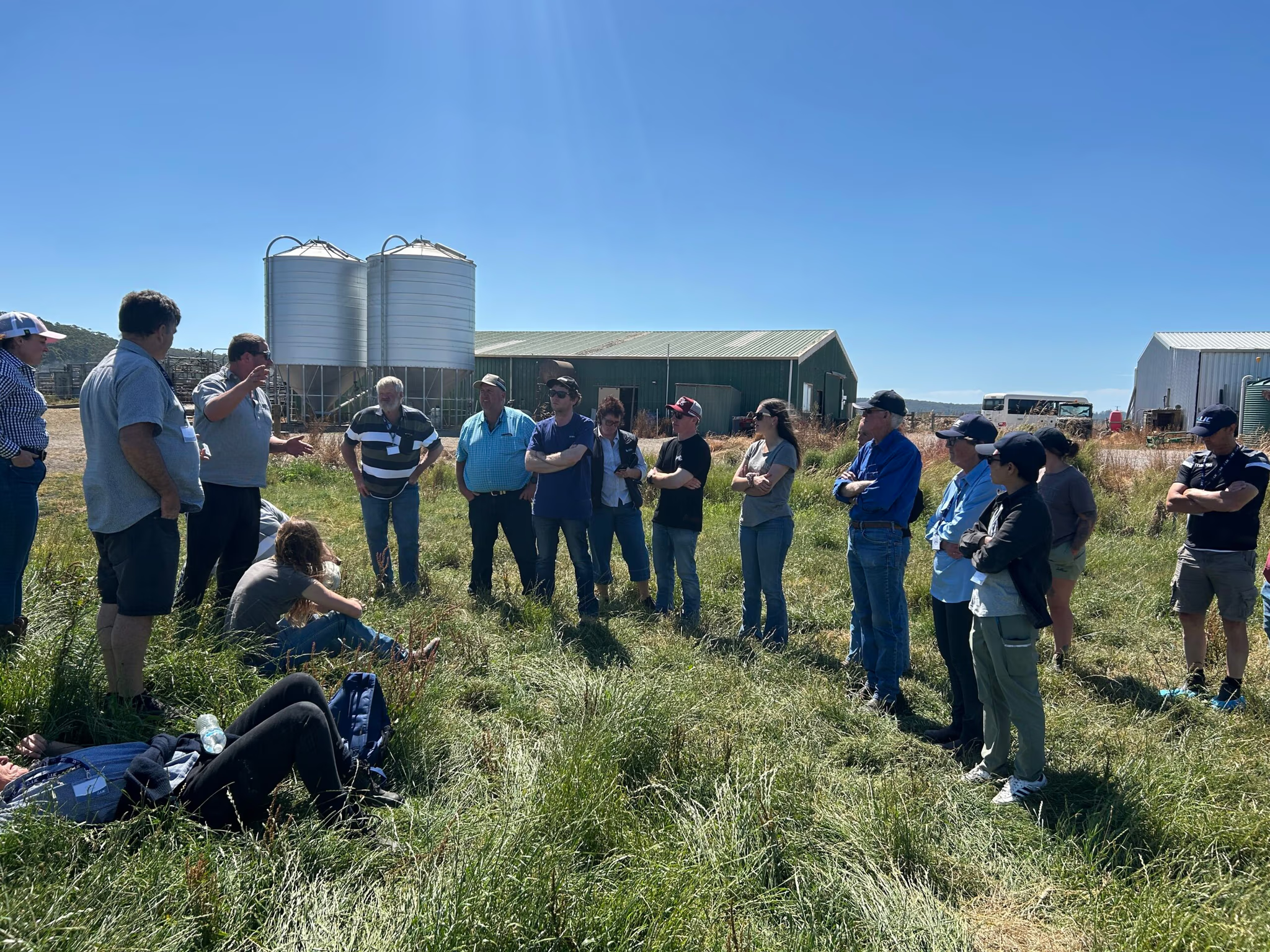
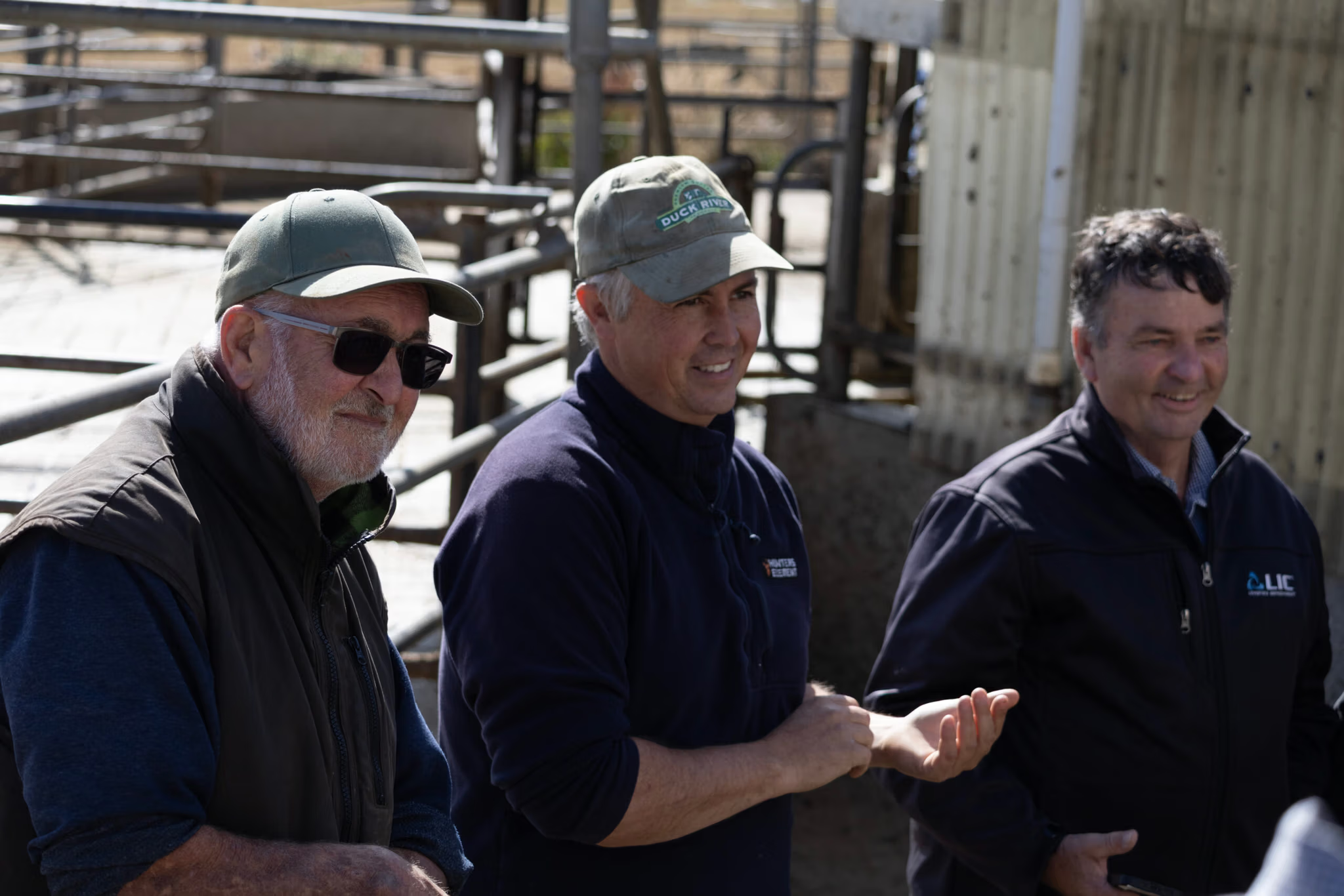
The tour offered valuable insights into how these approaches deliver profitable outcomes on commercial farms. While also showcasing Tasmania’s stunning landscapes and fostering strong social connections among attendees.
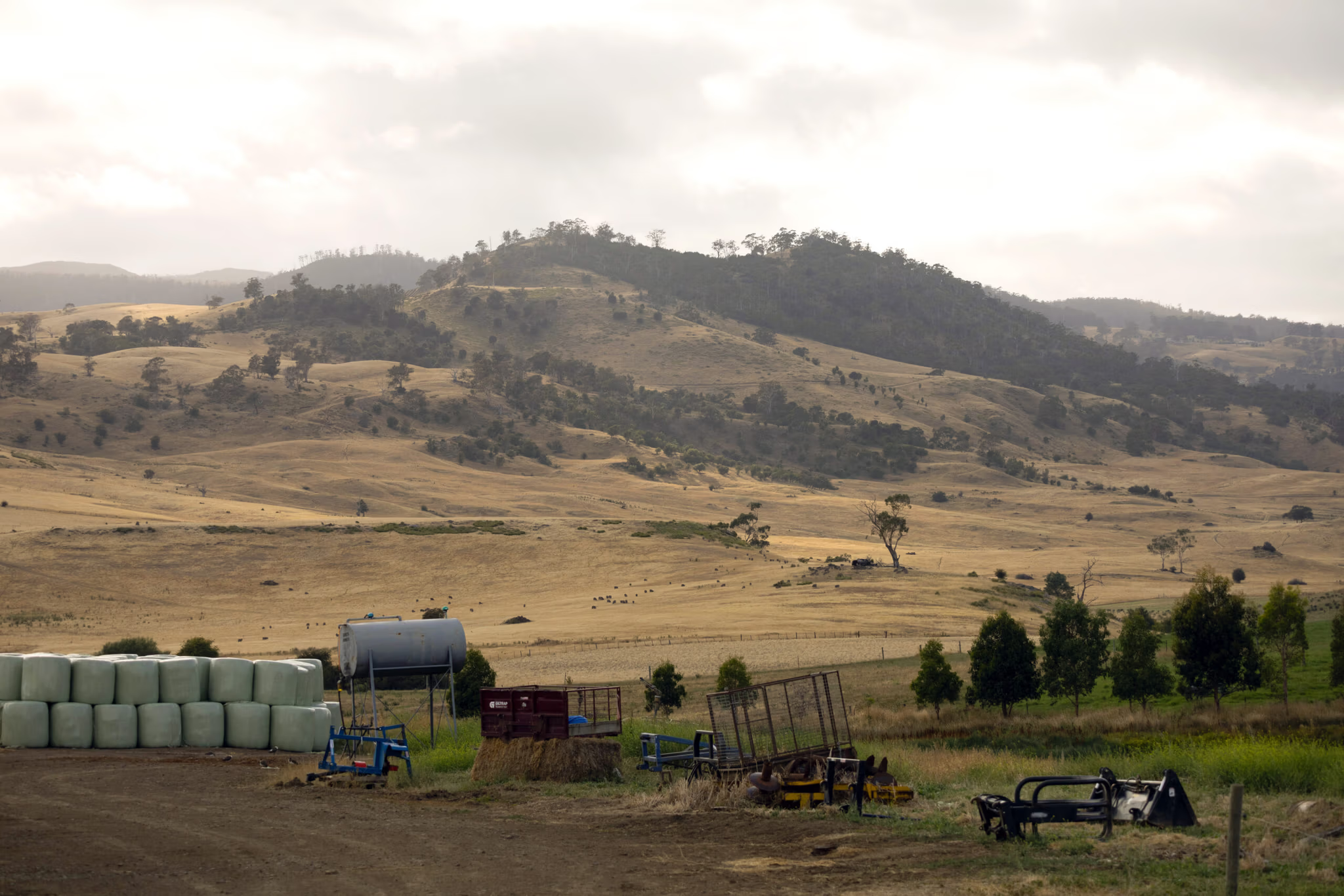
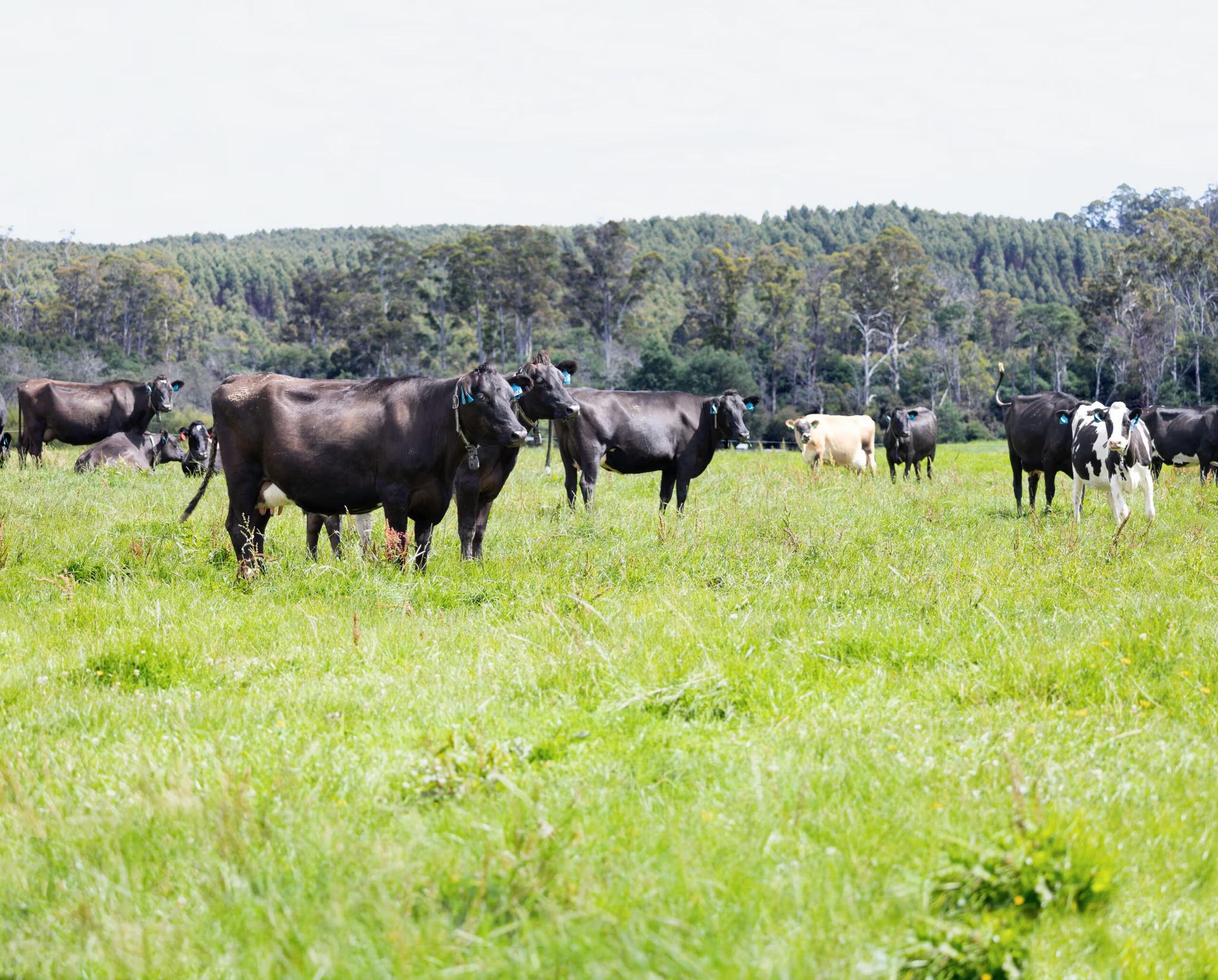
Tasmania is one of Australia’s most diverse and productive dairy regions, home to around 180,000 dairy cows across 335 dairy farms, with an average herd size of 523. In 2024-25, the state produced 901 million litres of milk – 10.8 per cent of Australia’s national milk production.
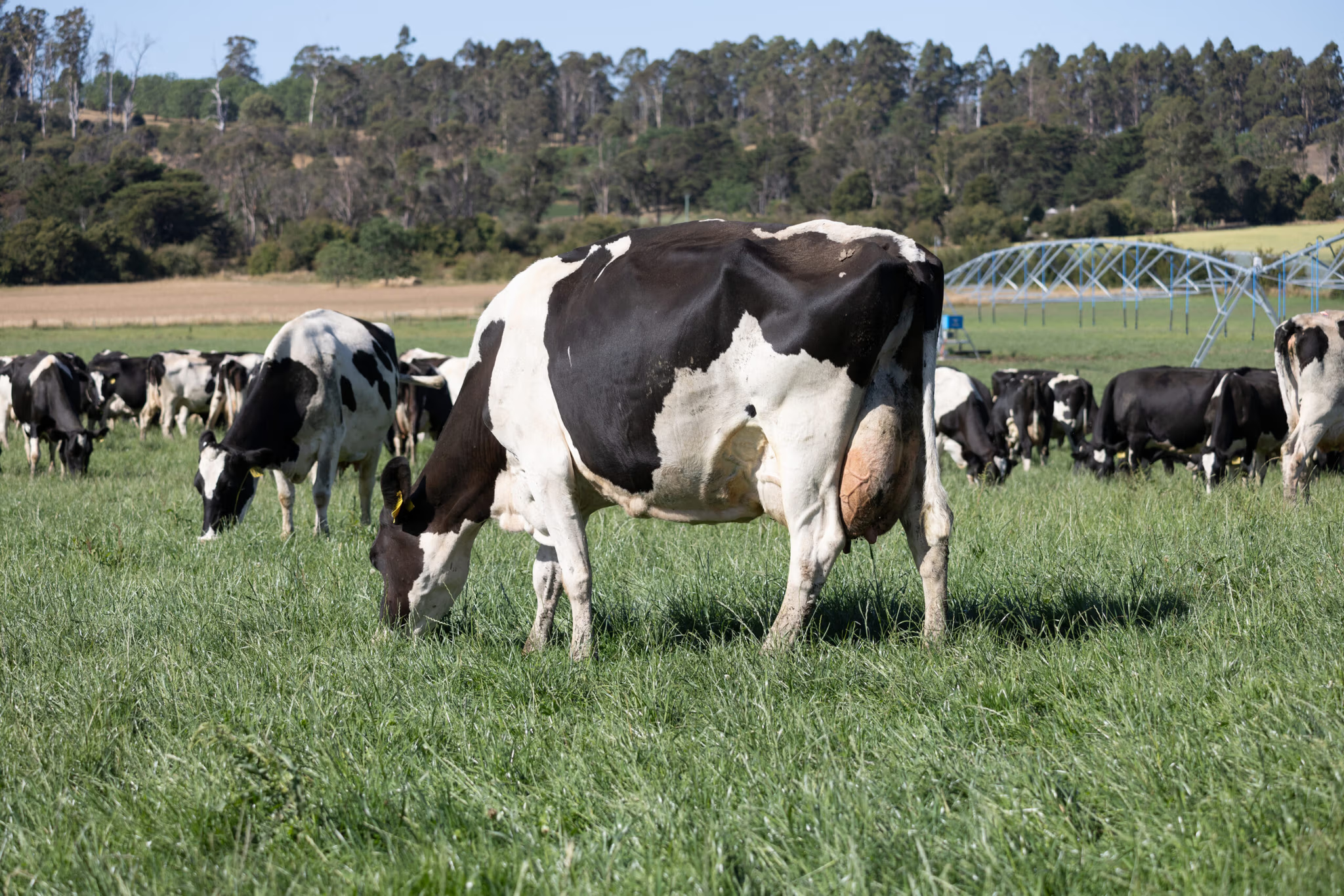
Dairy systems are largely pasture-based, supported by spring and autumn rainfall. Irrigation plays a key role in maintaining pasture growth during drier months, ensuring consistent, high-quality feed year-round. The Central Highlands contain major water storages including Lake St Clair and Great Lake with water carefully managed for hydroelectric generation, environmental needs and irrigation.
Farmers access irrigation through water licences or irrigation schemes, often with associated costs and restrictions during low-flow periods.
Despite varying soil types, Tasmania’s fertile land, reliable water supply, and well-managed pastures underpin highly efficient and sustainable dairy systems.
Compass Agri Farms
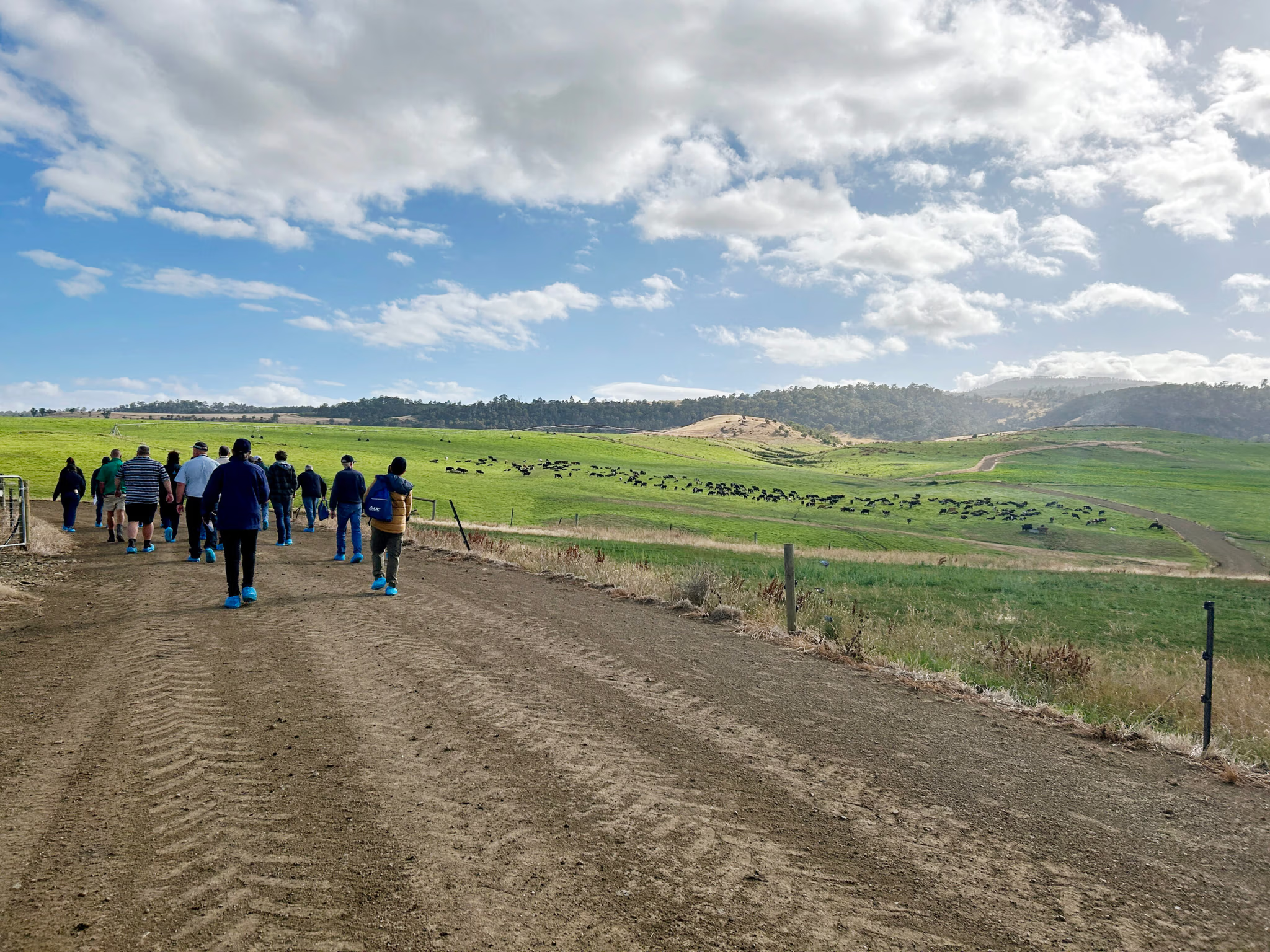
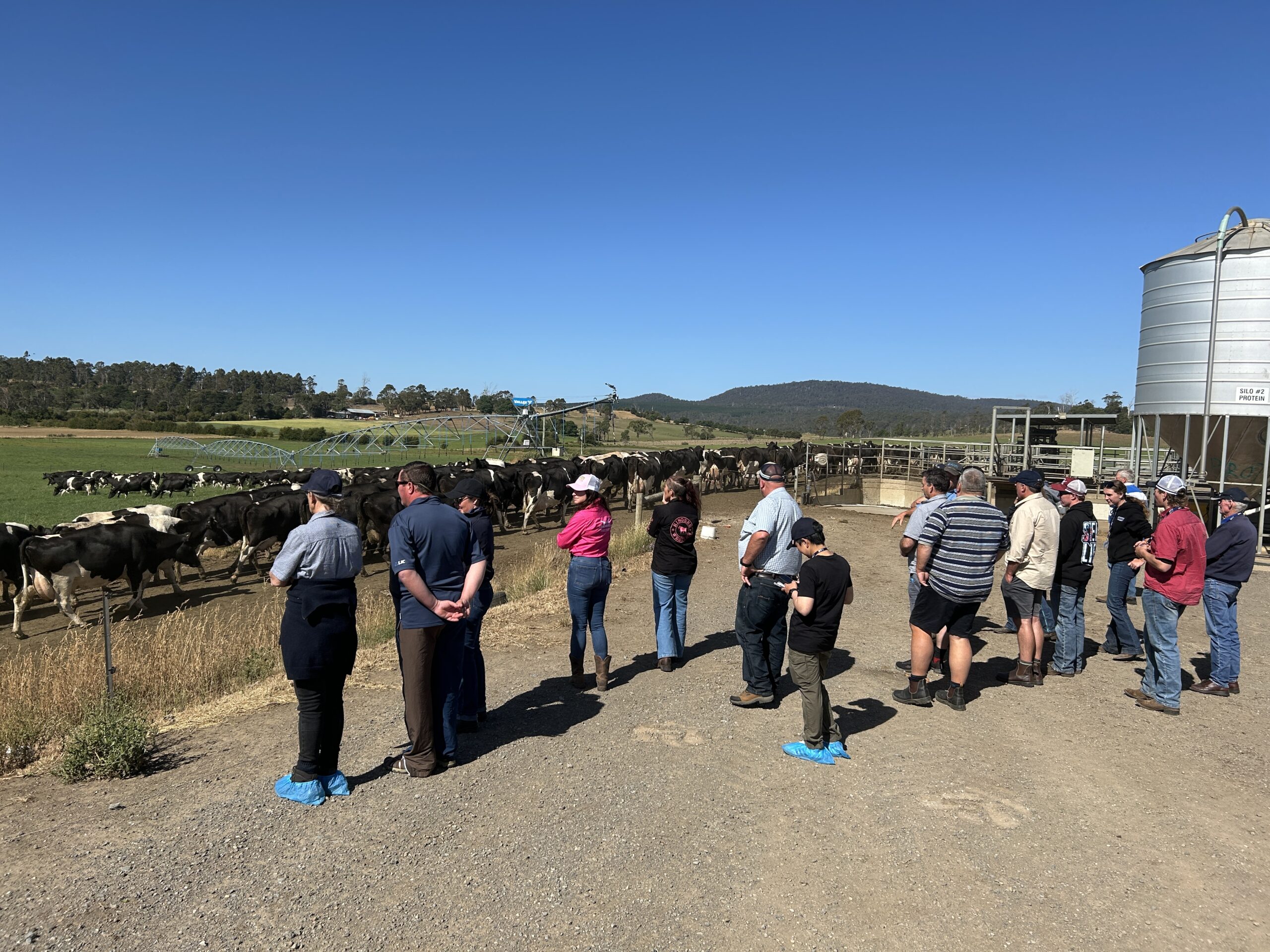
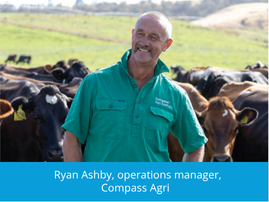 On day one, the group visited two of the seven Compass Agri farms in the Derwent Valley: Clearview (Gretna) and Pindari (Ouse). One property features an excellent rotary milking system, while the other showcases a high-quality herringbone setup. Both farms are located in what many would consider non-traditional dairying country, surrounded predominantly by beef operations. Compass Agri also has a third dairy conversion underway in the region.
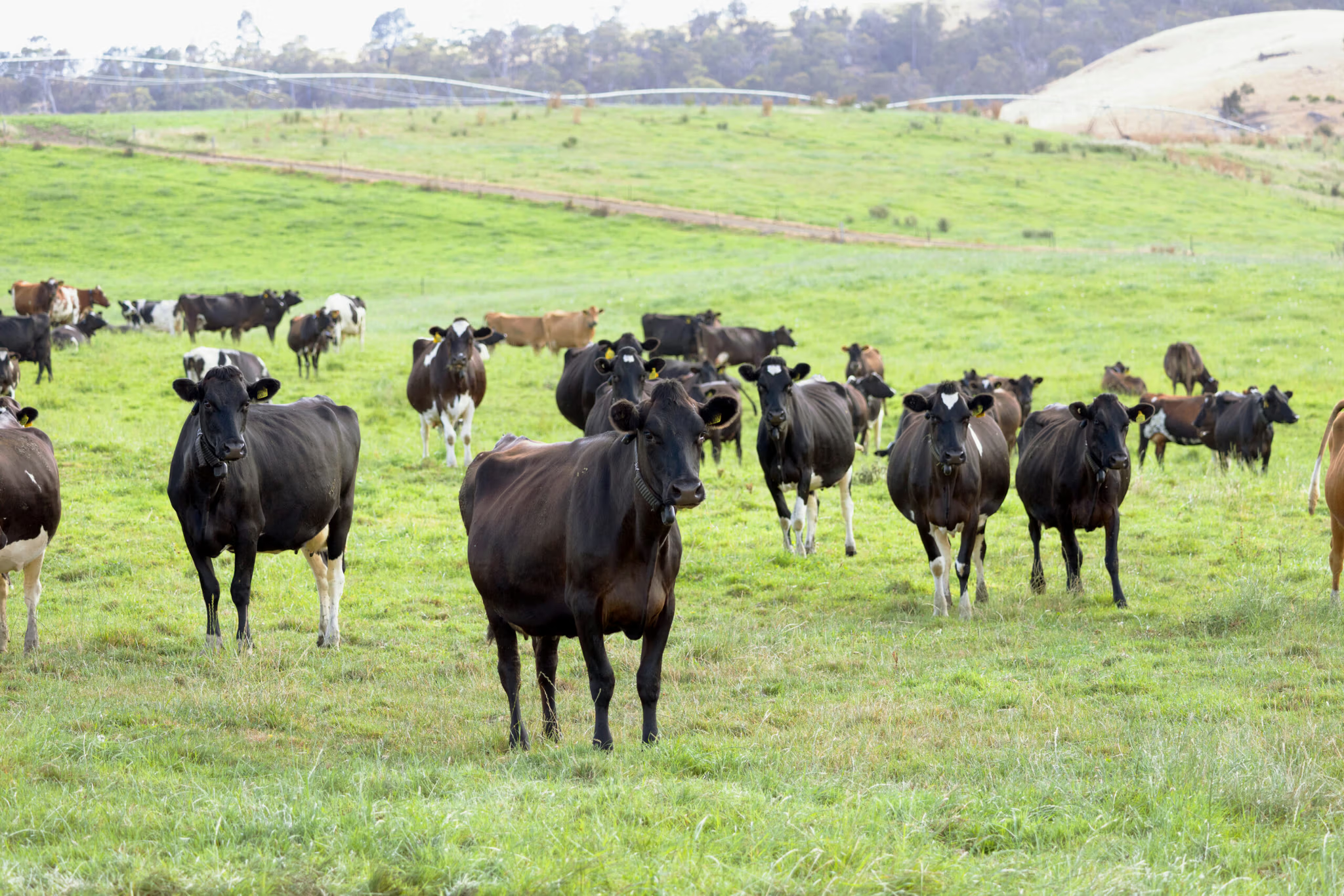
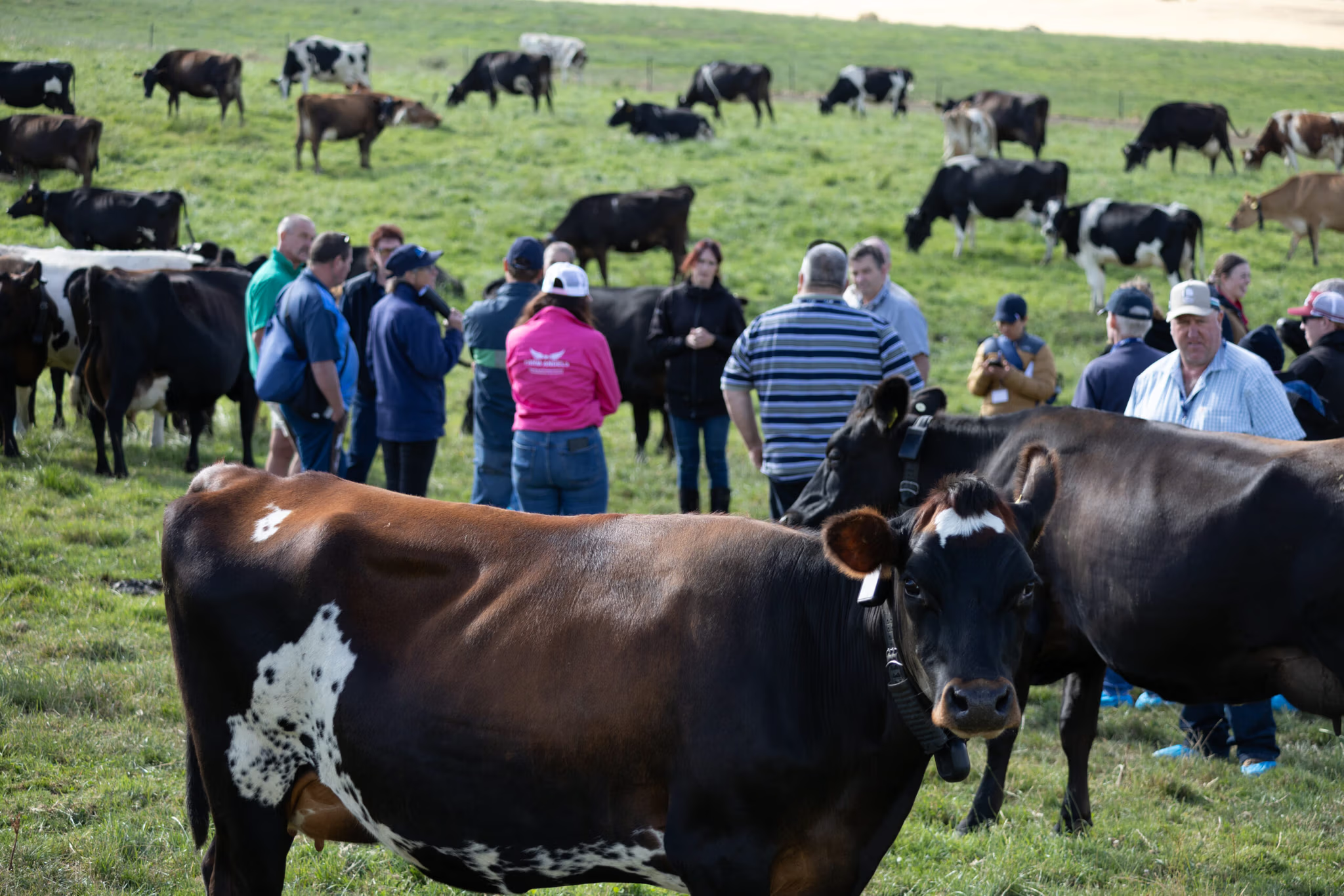
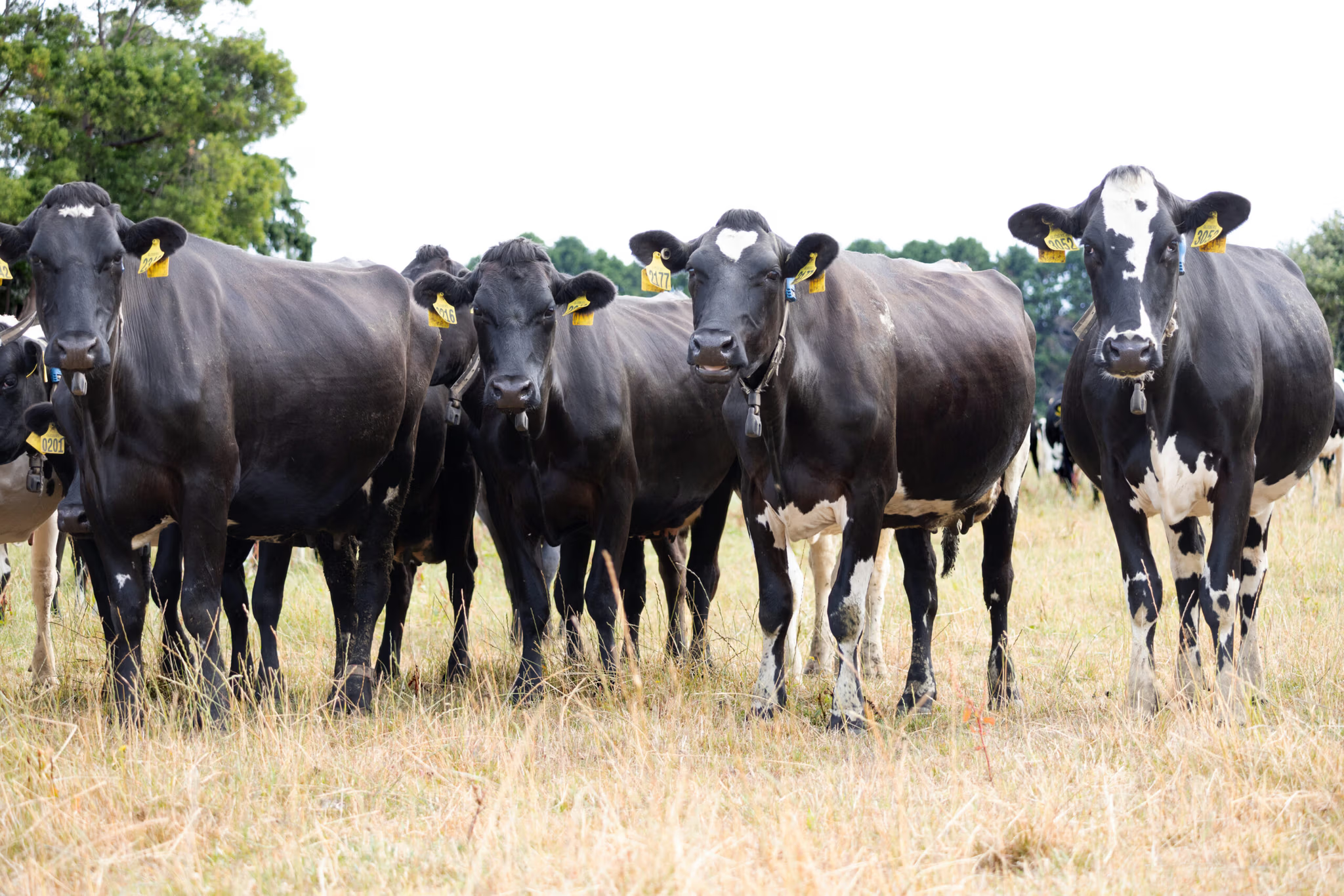
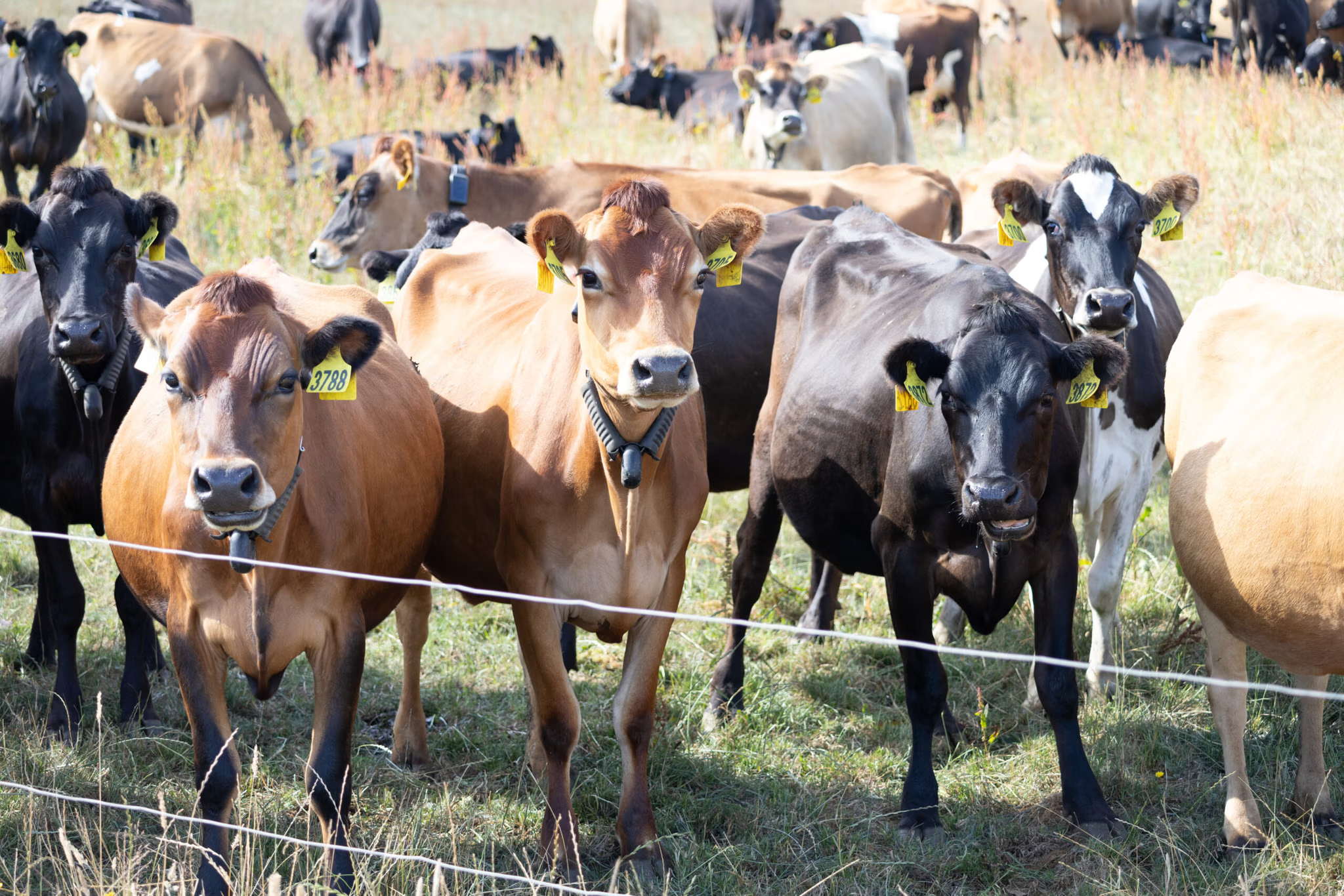
Compass Agri uses 100% LIC genetics across their farms, milking high-performing crossbred herds with collar technology.
Cows at the Clearview and Pindari farms average 480 kg and 470 kg, producing 467 kgMS and 430 kgMS per cow respectively – a great example of how smart genetic selection can optimise herd performance.
Dornauf Dairies
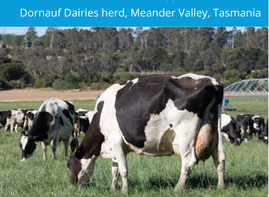 Next on the itinerary was Dornauf Dairies, owned by Nick and Bek Dornauf at Moltema in the Meander Valley. Farming near Deloraine for three generations, the Dornauf’s Friesian herd is backed by decades of LIC breeding and built to perform.
With a Friesian herd of approximately 650 cows, production figures are impressive and sit at 603 kgMS per cow, but it was Nick’s depth of knowledge and practical insight that stood out.
His understanding of the Tasmanian dairy industry – from seasonal feed planning and breeding decisions to succession planning – was well received by the group.
Day two saw the group visit Rosemount Ag’s ‘Gala Farm’ based in Quamby Brook, owned through an equity partnership between the Greenacre and Bradley families.
Eight robotic milk stations operate 24 hours a day, with 540 Friesian cows voluntarily moving through the system.
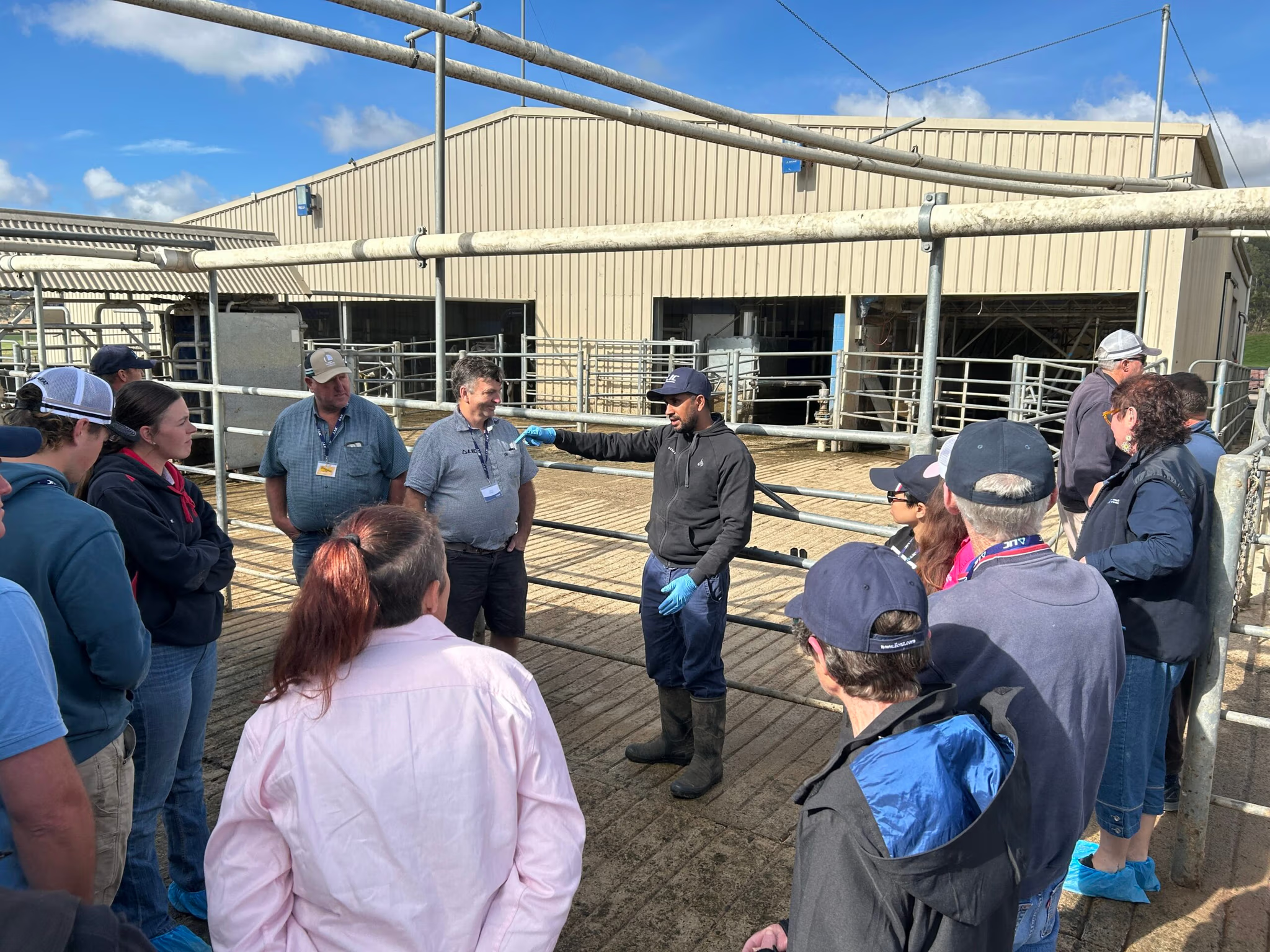
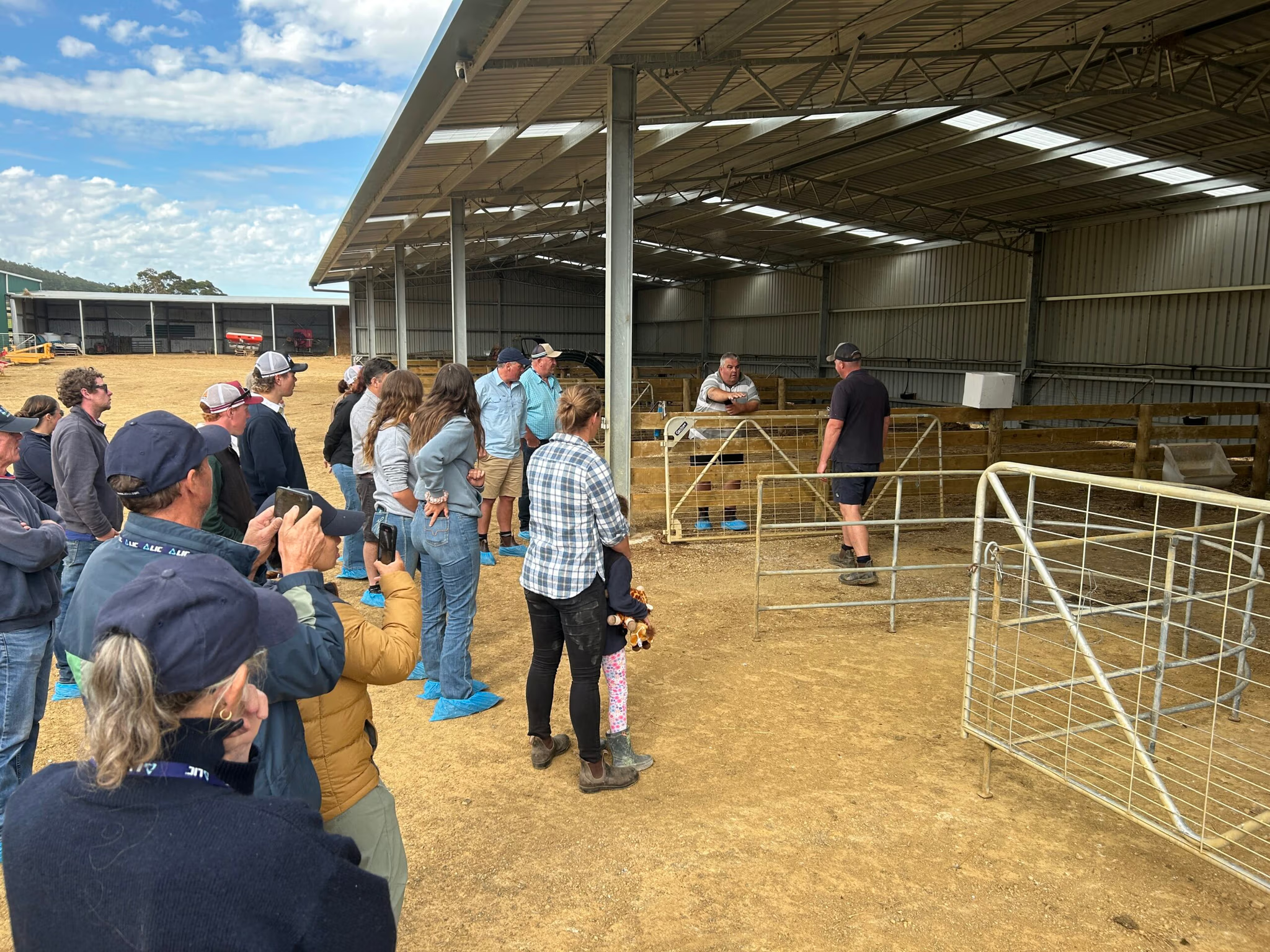
During the tour, Ujjwal “Uuzi” Chapagain, the farm operations manager, hosted the group and explored a question many pasture-based farmers are asking: how does grazing management adapt when cows can choose when they are milked?
He demonstrated the farm’s grazing planner, explaining how the system operates across four zones including two ‘open’ grazing areas – one area for the cows to move into from the shed and another area they return to – carefully managing cow traffic flow, pasture allocation and milking frequency. Producing 590 kgMS/ cow, the farm demonstrates that in a high-tech robotic setup, it is ultimately pasture management that powers the entire voluntary system – with cow health, precise feed allocation, strong fertility, and efficient conversion of grass into milk solids all flowing from how well the pasture is managed.
BWB Management: Clear Springs
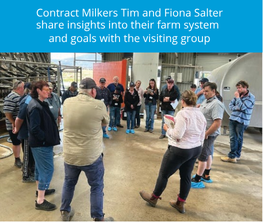 Next stop was BWB Management’s Clear Springs farm in Meander, where contract milkers Tim and Fiona Salter showcased what strong management can achieve on a corporate-owned farm.
Originally a dairy conversion, the Salters have been involved from the very beginning, helping set up the transition and staying on for the past ten years to build a highly successful operation.
Today they milk a large crossbred herd of 1400-1500 cows at 490 liveweight, achieving 510 kgMS/cow. Their predominantly pasture-based feeding regime – supplemented with around one tonne of grain and 700 kg of other supplementary feed per cow – attracted plenty of discussion. All stock are wintered on farm, relying on a combination of grass and silage.
The journey continued toward Smithton with a scenic detour that gave the group a taste of Tasmania beyond the farm gate. Along the way we visited the historic coastal town of Stanley and a memorable chairlift ride up
‘The Nut’, where everyone enjoyed sweeping panoramic views of the rugged coastline, Bass Strait and surrounding countryside.
Gijsbers Agri
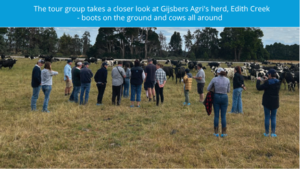 Starting the fourth day of the tour, we visited Gijsbers Agri based in Edith Creek. Jeffrey Gijsbers and Monique Mulder shared their inspiring story of hard work, learning, and success, which really impressed the group.
Originally from Holland and with no prior farming experience, they quickly made their mark in the Tasmanian dairy industry progressing from farm employees to 50/50 sharemilkers and now owners of a 170 ha farm. Today they milk around 630 cows, producing approximately 550-580 kgMS/cow.
Monique’s calf rearing program drew particular attention. At one stage, she balanced a full time role as a field officer with Fonterra while rearing up to 300 calves each year.
Today, she continues to rear hundreds of calves annually using the LIC Fast Forward Team®, producing healthy, well-grown young stock that will play a big part in shaping the future performance of the herd.
Jeffrey summed up their journey simply: “Work hard – learn everything you can, take every opportunity and back yourself.”
Greenacres
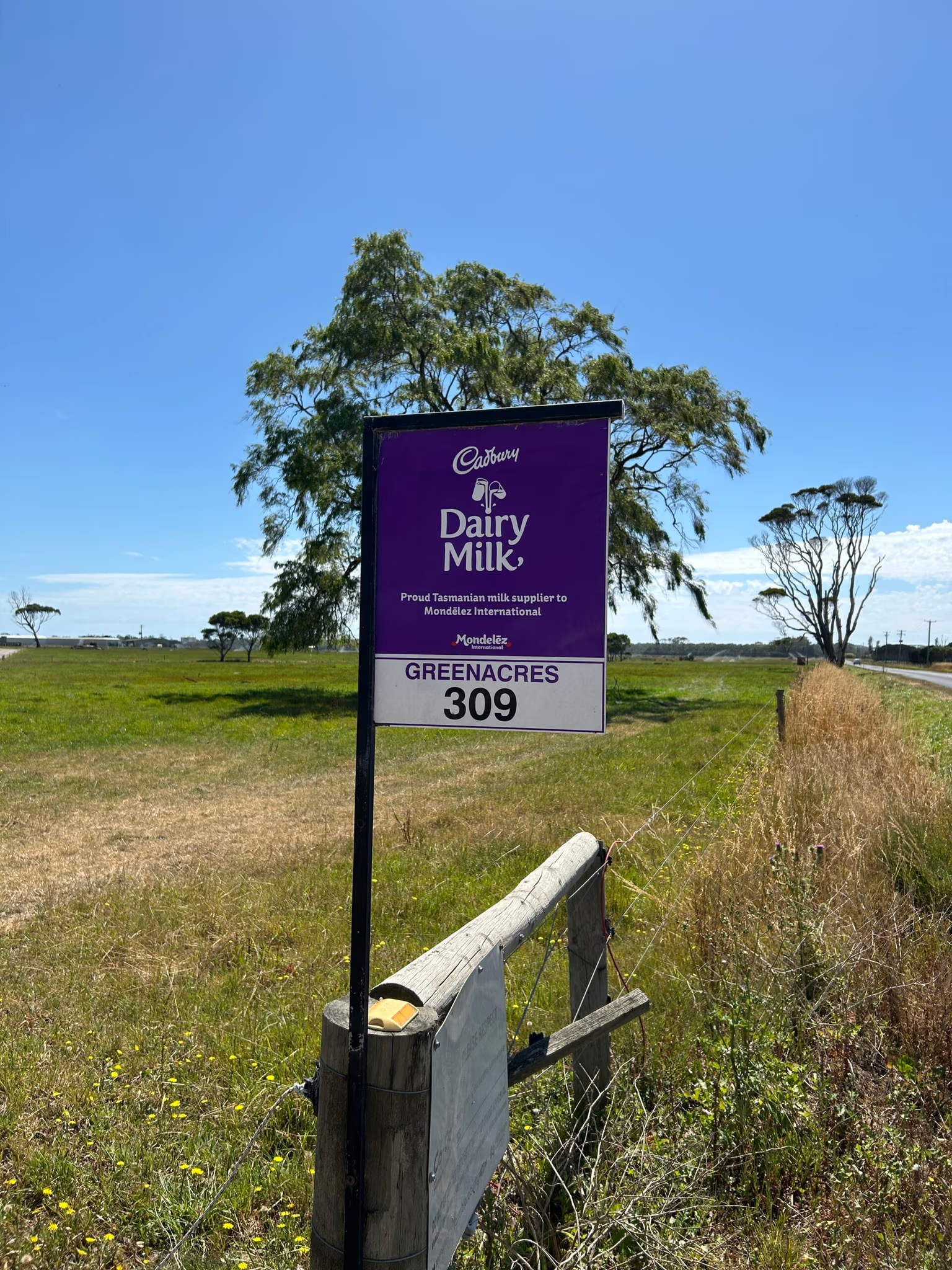
The group then visited Greenacres farm in Smithton, where Brian and Margaret Nichols, alongside their son Paul – who is the contract milker – showcased family farming at scale.
The family owns two farms, each operated by one of their sons, and together they supply about 11% of the milk processed at the Cadbury
Tasmanian factory.
A great example of multigenerational agriculture in action, with the brothers managing their respective properties and their daughter’s partner, Isaac, responsible for all calf rearing.
Producing 469 kgMS per cow from 500 kg liveweights, the farm focuses on a pasture-based system, supplemented with around 1.2 tonnes of grain – a demonstration of efficient, low input dairy production.
Togari Dairies
The tour then moved on to Togari Dairies farm at Togari, run by Robert Gair and Rowan Priest in a 50/50 sharemilking partnership supplying Dutch Mill. Located in the wettest part of the state, the farm is among the most affected by heavy rainfall, yet it sustains a thriving 500-cow crossbred herd bred from LIC KiwiCross® sires.
Despite the challenges, the herd delivers strong performance – averaging around 440 kgMS per cow annually, a testament to how well-matched
to the environment can drive profitability even under climatic pressure.
Montagu Dairies
At Montagu Dairies the group saw a strong 50/50 equity partnership
Chris & Gill Walsh and Anthony & Julie Lissington. With Chris as farm manager, Chris & Gill won ‘Share Farmers of the Year’ in 2010 and continue to consistently achieve ‘Premium Quality Milk’ awards, reflecting ongoing
excellence in herd performance and milk standards.
Featuring a 990 cow herd averaging 463 kgMS per cow and run through a 60-bale rotary, the visit highlighted Chris and Gillian’s progression from employees to award-winning sharefarmers and now equity partners – a pathway many younger farmers aspire to follow.
Macdonald Dairies
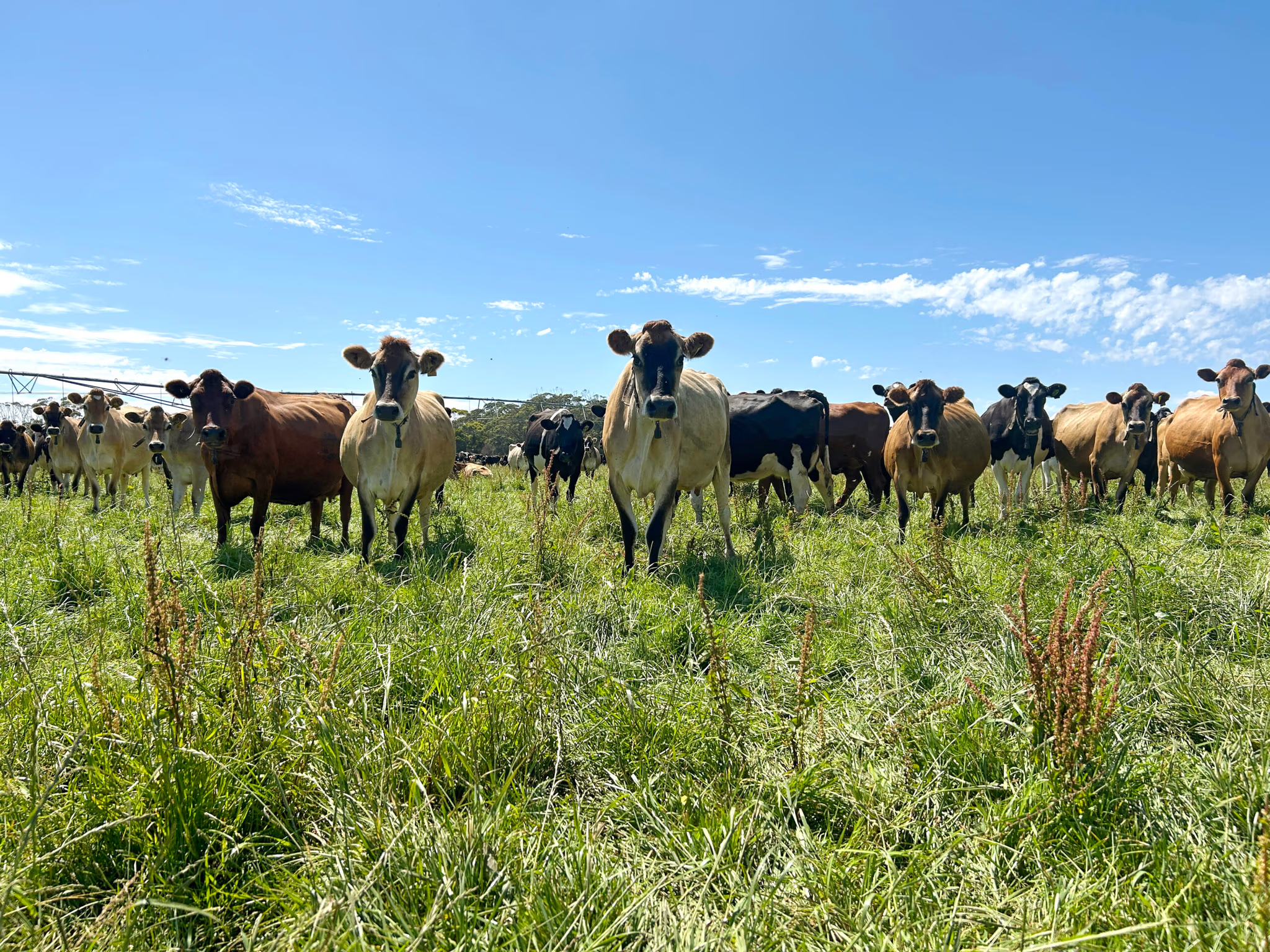
The final morning saw the group travel from Smithton to Yolla for one last farm visit at Macdonald Dairies, run by Alastair, Duncan and Shannon Macdonald. The tour enjoyed closeup views of two strong Jersey and crossbred milking herds (520 and 750 cows) and quality young stock sired by LIC’s Fast Forward Team®, taking advantage of a selection of elite genomic sires designed to fast-track genetic gain on farm.
Highlights included another look at collar technology and a quick look at Australia’s first rotary dairy shed – built in 1973 and still in operation today – blending together the farm’s heritage with today’s innovation.
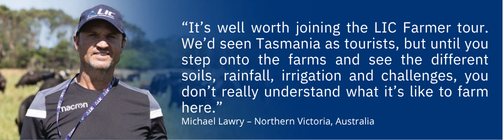
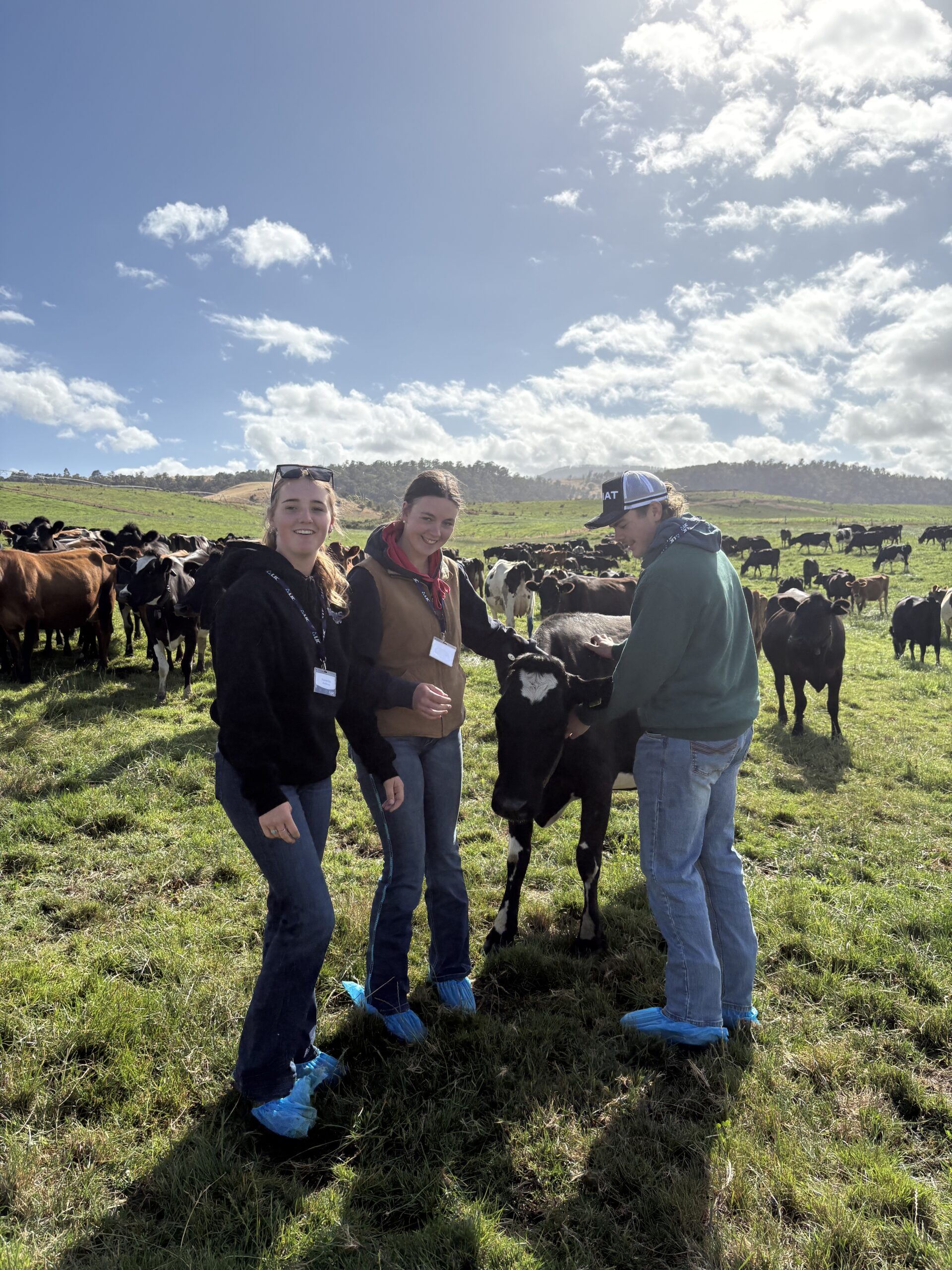
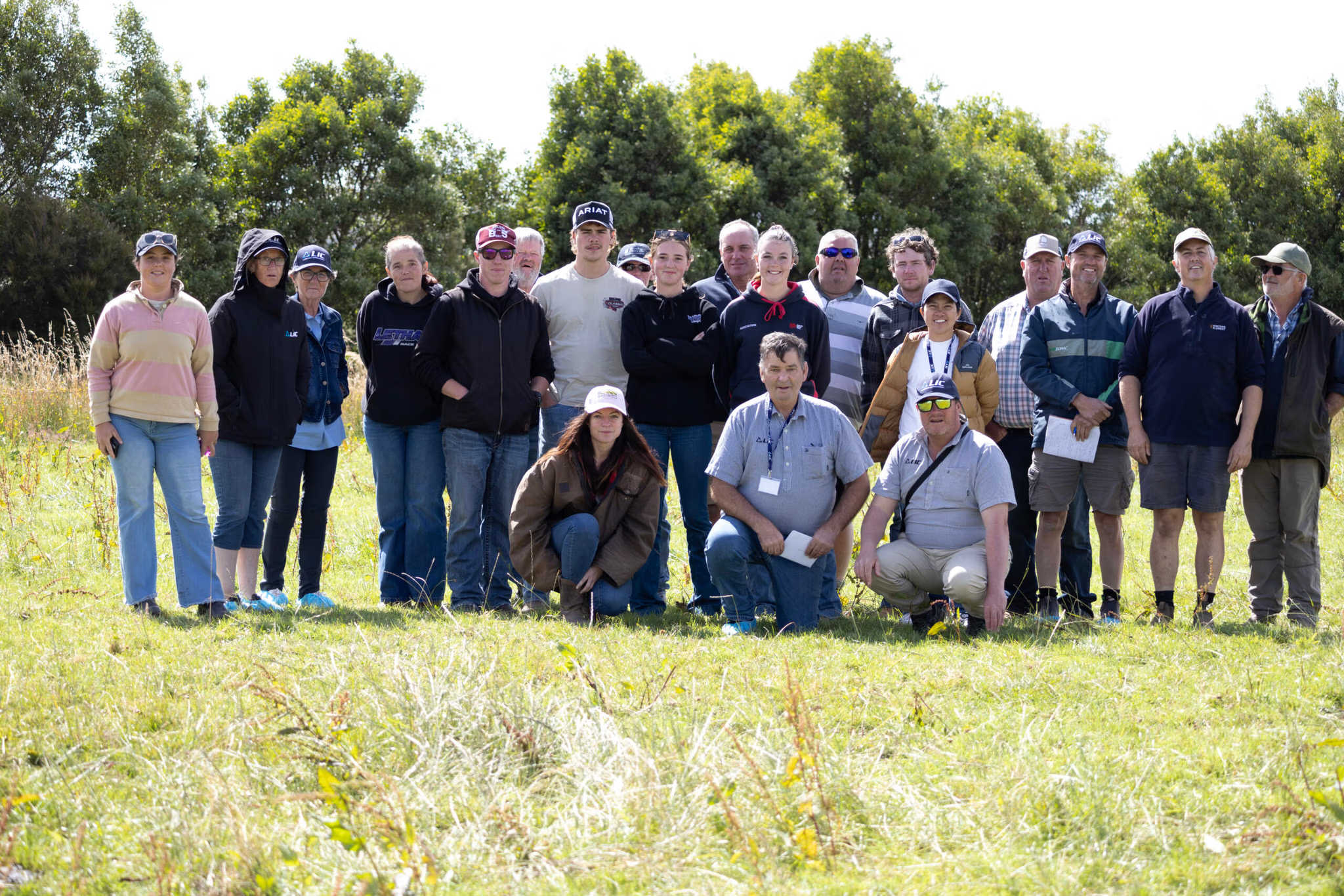
As the tour concluded, participants reflected on a week marked by valuable learning, meaningful discussions on herd improvement, exposure to innovation, and camaraderie. A tour highlighting that, while innovation is important, well-managed, proven practices can reliably deliver results when tailored to local conditions. New connections were made and many very interesting moments were captured along the way.
We offer our sincere thanks to the farmers who generously opened their gates and shared their expertise, to the many individuals working behind the scenes to make this tour possible, and to all participants for their engagement and professionalism.
We also extend special appreciation to WestVic Dairy and the DemoDairy Foundation, whose support ensures this important experience continues to benefit both established farmers and the next generation of industry leaders.
A remarkable week and an enriching experience for all – until next time Tasmania.